Qigong For Seniors: A Practical Guide To Getting Started
By:Author:Koi Yoga Editorial
Updated on:September 30, 2026
- Does Qigong for Seniors Actually Work?
- Why This Beats the Harder Alternative
- The Quantity Question: How Much Qigong Do Seniors Need?
- The Practical Question: Fitting Qigong Into a Real Day
- Qigong vs Other Low-Impact Options: Making the Choice
- The Forbidden Promise, Answered Honestly
- Levers That Change the Result
- How Long Until You See Results?
- Your First Four Weeks of Qigong
- What Stalls Progress
- Why Koi Yoga Works for This
- Final Thoughts
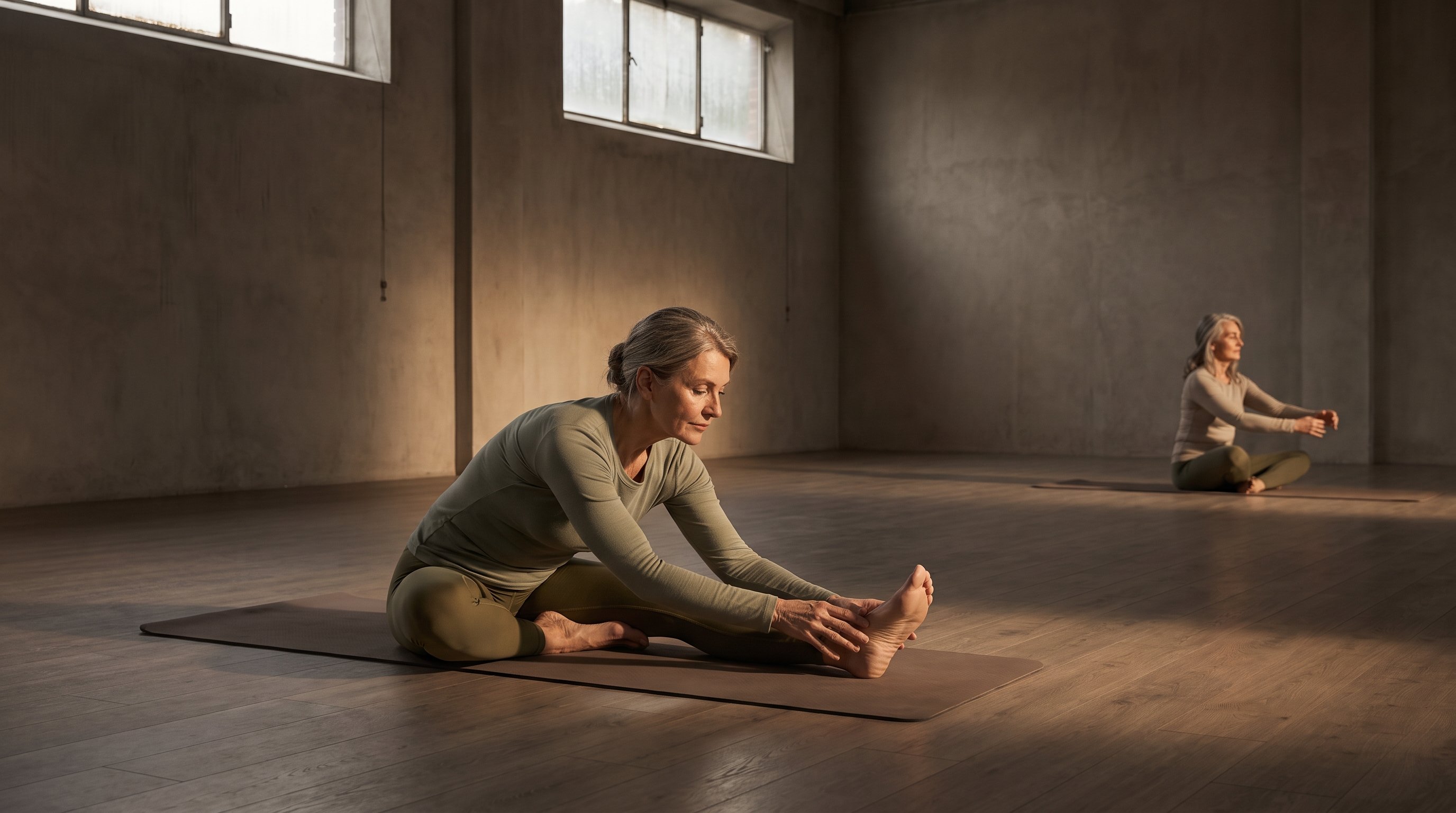
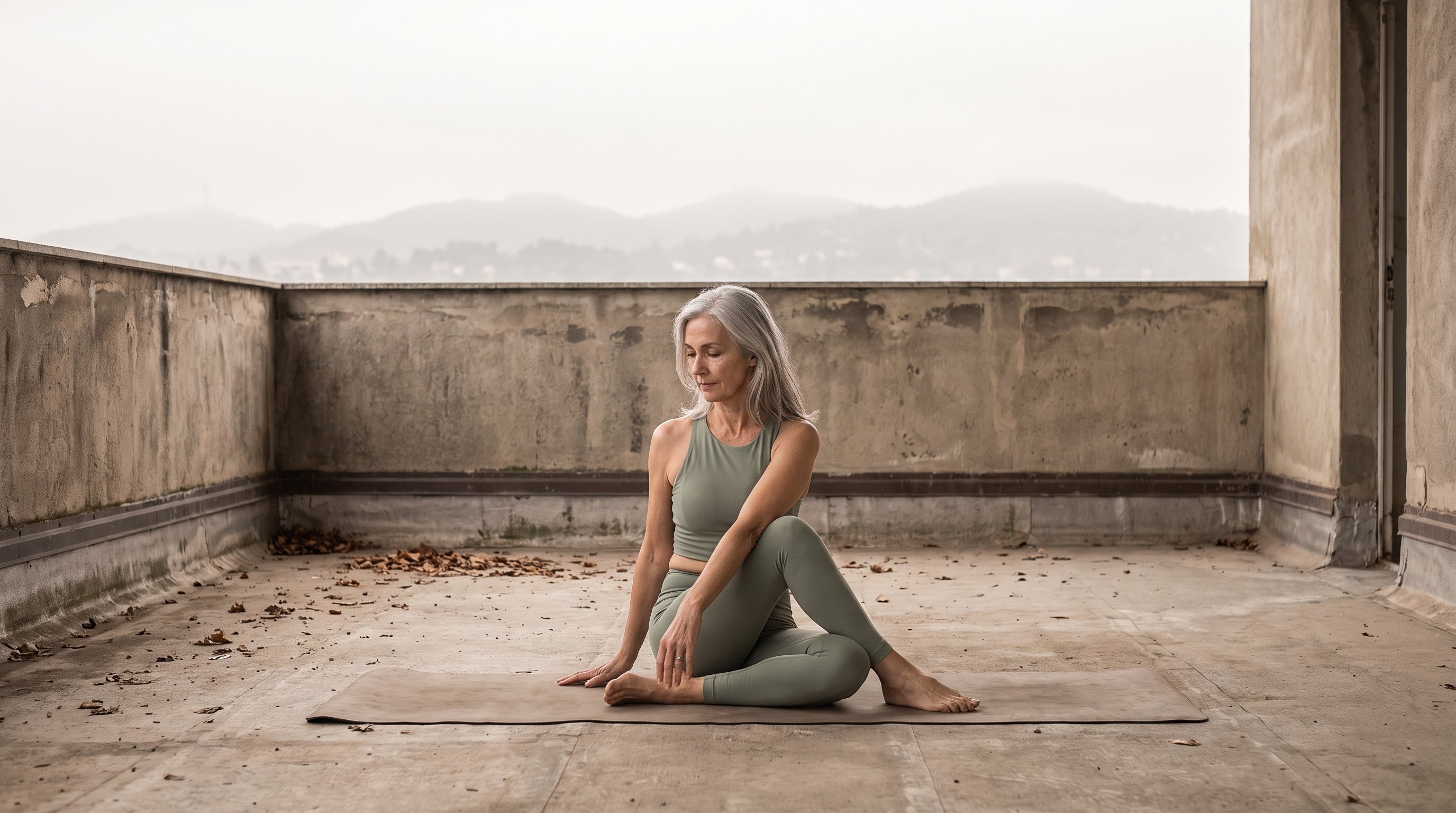
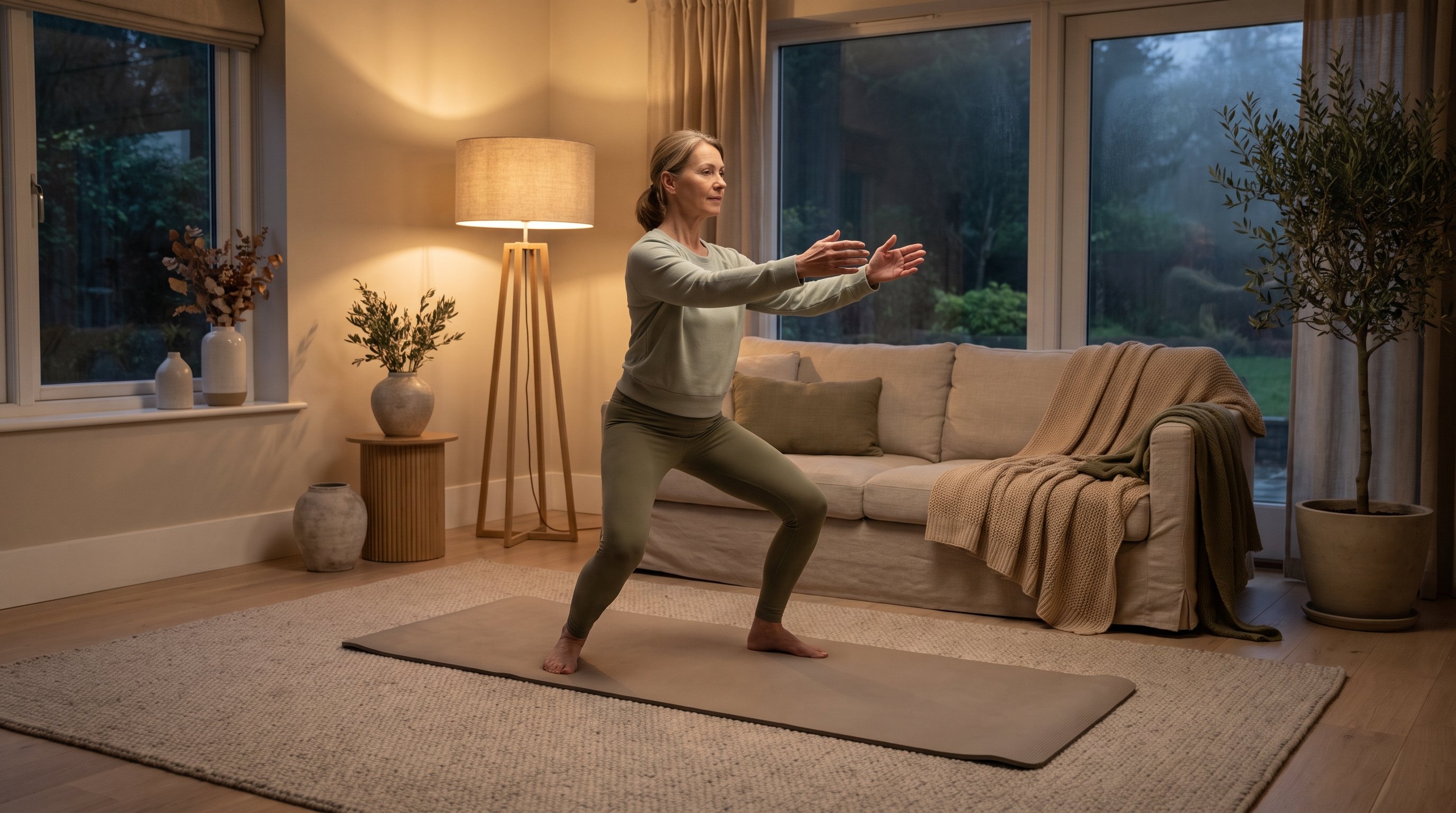
Qigong asks for as little as a few minutes a day, and that low bar is exactly why it works for seniors who have tried harder programmes and quit them.
The movements are slow and weight-bearing enough to ask something of your muscles and balance, without the joint strain that stops a lot of people from starting anything at all.
This guide covers whether qigong actually does anything, how much of it you need, what a realistic first month looks like, and the habits that quietly stall progress before it starts.
Does Qigong for Seniors Actually Work?
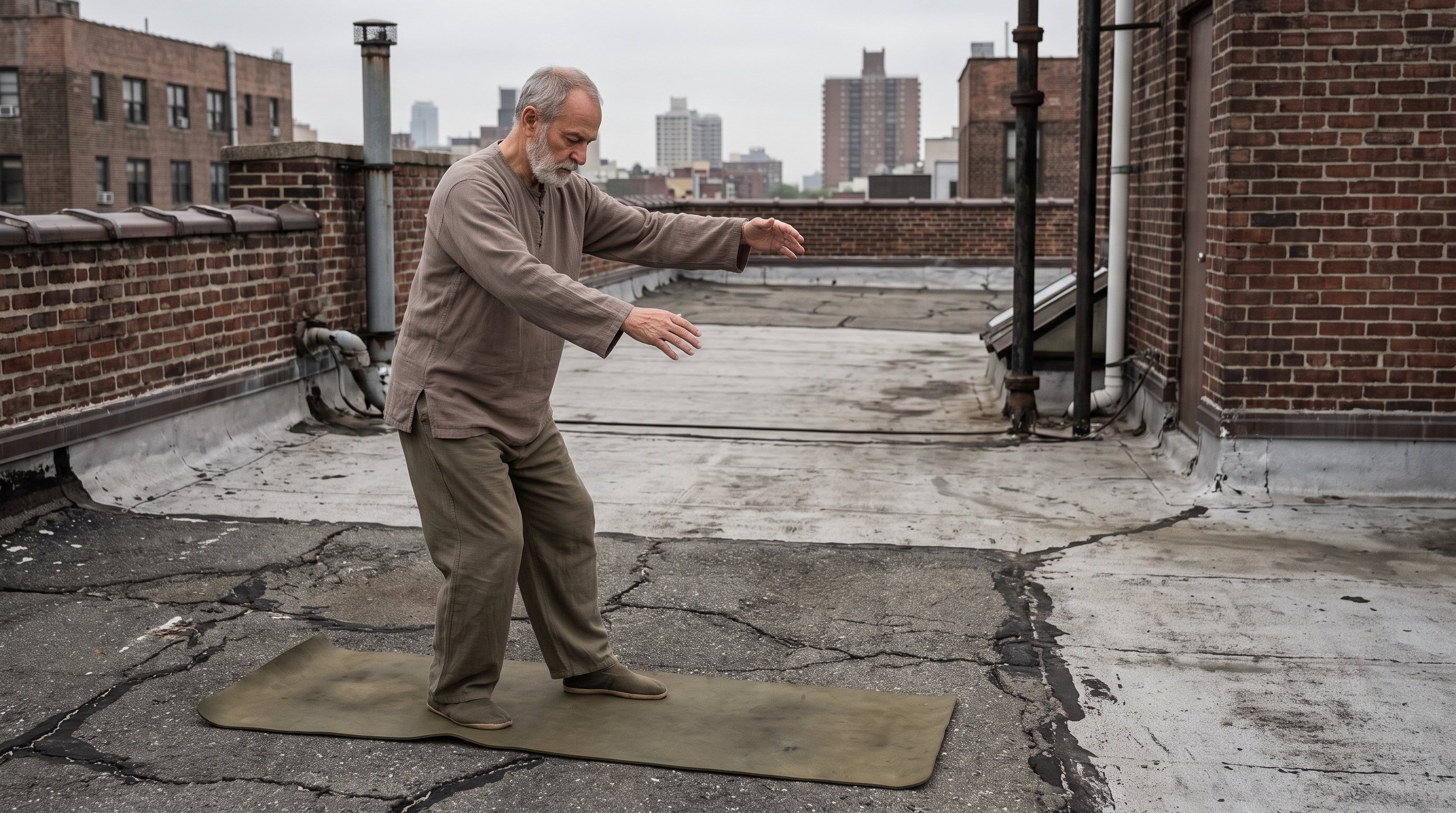
Qigong works the way any low-impact movement works: it asks your muscles to hold and shift your own body weight slowly, which builds strength, and it asks your standing balance to adjust in small ways, which trains stability.
None of that is mysterious. Slow controlled movement plus repetition is how strength and balance get built, at any age.
Do the arithmetic on frequency. Ten minutes a day, five days a week, is fifty minutes of movement weekly - roughly the same total time as one longer gym session, just spread out so no single session asks too much.
Spread out like that, the body gets more chances to adapt and fewer chances to get overwhelmed, which is a big part of why people actually keep doing it.
Why This Beats the Harder Alternative
A punishing workout plan only works on the days you do it, and the days you skip it, it works for nobody.
Qigong's whole pitch is that the sessions are short and gentle enough to actually happen, day after day, instead of sitting on a to-do list until guilt takes over.
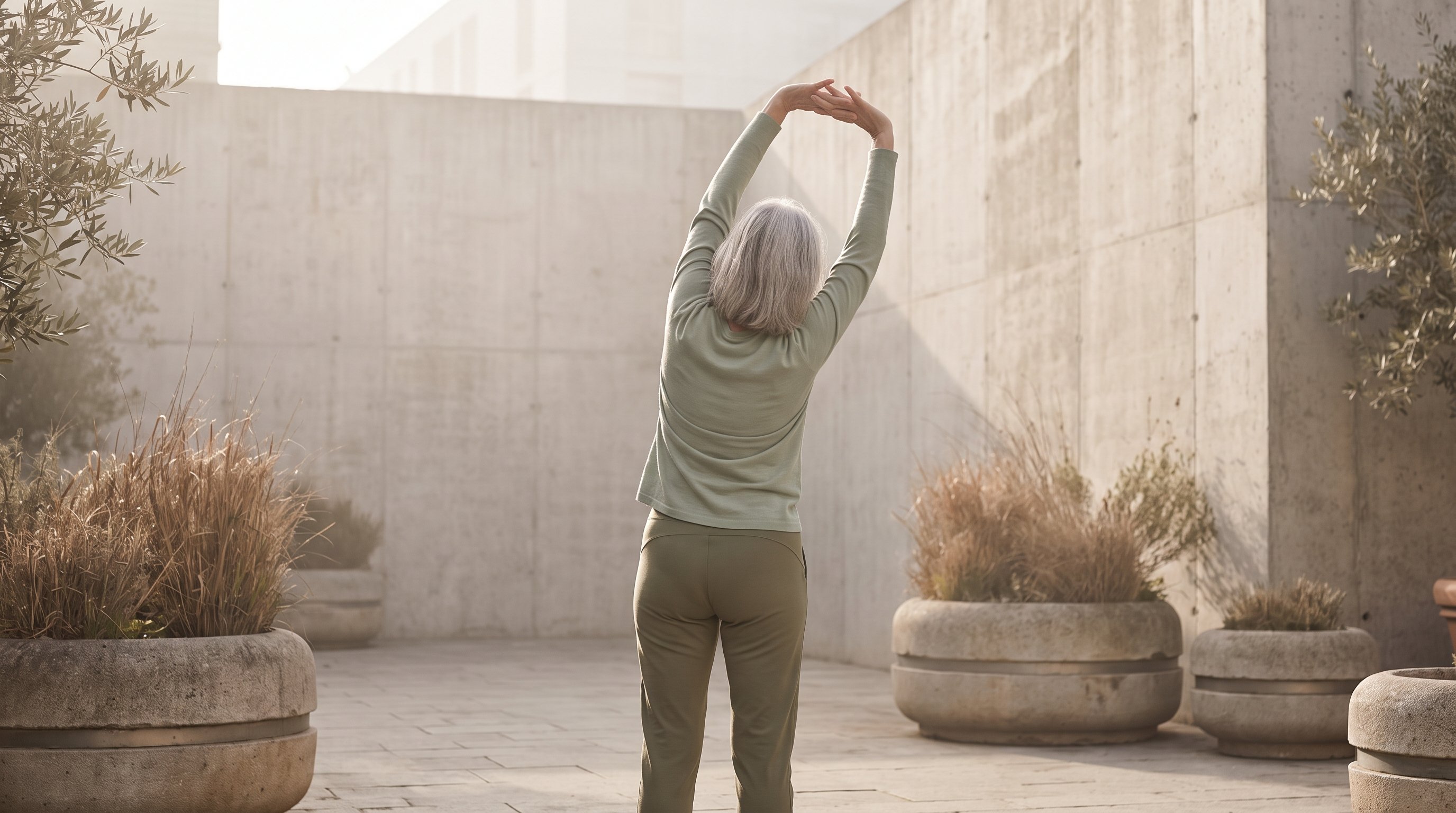
Adherence beats intensity almost every time. A routine you finish five days a week outperforms an intense one you finish once and then avoid.
That's the real argument for gentler exercise as you age - not that it's easier, but that it's finishable, and finishable things compound.
The Quantity Question: How Much Qigong Do Seniors Need?
There's no single number that fits every body, but there is a sensible range to start from and adjust.
Five to ten minutes, most days of the week, is enough to start noticing steadier balance and looser joints without overloading a body that's new to regular movement.
Find Your Own Number
Start at the low end of any range and only add time once the current amount feels easy, not effortful.
The table below gives a starting point by comfort level - use it as a guide, not a rule.
| Starting Point | Session Length | Frequency |
|---|---|---|
New to movement | 5 minutes | 3-4 days/week |
Some activity habit | 10 minutes | 5 days/week |
Regularly active | 15-20 minutes | 5-6 days/week |
The Practical Question: Fitting Qigong Into a Real Day
The hardest part of any new habit isn't the movement itself, it's remembering to do it and knowing where to look when you forget the sequence.
That's where a guided plan earns its keep, since it removes the guesswork of what to do and when, and just leaves the doing.
Koi Yoga builds a tailored plan around short, guided sessions, so the routine adjusts to your fitness level instead of asking you to adjust to it.
Pair that with daily habit tracking and the routine stops living in your memory and starts living in a place you can actually check.
Qigong vs Other Low-Impact Options: Making the Choice
Most seniors comparing options are really weighing one thing: how much can I sustain without dreading it or getting hurt.
The table below lines up common choices against that question.
| Option | Joint Impact | Equipment Needed | Learning Curve |
|---|---|---|---|
Qigong | Very low | None | Gentle |
Walking | Low | None | None |
Swimming | Very low | Pool access | Moderate |
Chair exercises | Very low | Chair | Gentle |
Gym strength training | Moderate-High | Machines | Steep |
The Forbidden Promise, Answered Honestly
No form of movement, qigong included, can target fat loss in one spot on the body.
The body decides where it draws energy from, and that decision isn't under anyone's control - not yours, not any programme's.
There's also no overnight version of this. Balance, strength, and steadier movement build up through repetition over time, not through one good session.
The honest answer is slower and less exciting than a promise: consistent, gentle movement over time supports strength and balance across the whole body, not one part of it.
Levers That Change the Result
Not every factor matters equally. These three carry the most weight for seniors starting qigong.
What Actually Moves the Needle
- Consistency over intensity - showing up most days for a short session beats one long session a week, every time.
- Breath and pace, not just movement - slowing the breath alongside the movement is part of what makes qigong easier on the joints than faster-paced exercise.
- Tracking what you're doing - a simple habit tracker turns a vague intention into something you can see and keep going.
How Long Until You See Results?
This is where most people quit - somewhere in the first few weeks, before anything feels different yet.
Be honest with yourself about timing: change from gentle, regular movement tends to show up gradually, not on a fixed schedule, and it rewards people who keep going past the point where it feels uneventful.
The goal in the early weeks isn't a result, it's a habit that survives a bad week.
Your First Four Weeks of Qigong
The order of these weeks matters more than the exact numbers - build the habit first, then build the load.
| Week | Focus | Target |
|---|---|---|
Week 1 | Learn the basic sequence | 5 minutes, 3-4 days |
Week 2 | Build the daily habit | 5-10 minutes, 5 days |
Week 3 | Add breath awareness | 10 minutes, 5 days |
Week 4 | Steady the routine | 10-15 minutes, 5-6 days |
What Stalls Progress
Starting Too Big
Jumping straight to twenty minutes daily is a common way to burn out by week two - start smaller than feels necessary and add time gradually.
No Fixed Time of Day
A routine that floats around your day tends to get skipped when the day gets busy - anchor it to something you already do, like right after breakfast.
Treating It As Exercise Instead of a Habit
Waiting to feel motivated before each session is a losing strategy - a daily habit tracker removes the need for motivation altogether.
Expecting a Straight Line
Balance and strength don't improve in a tidy upward curve, and a flat week doesn't mean the plan has failed - keep the sessions going and judge progress over a month, not a day.
Going It Alone With No Structure
Trying to remember or invent a sequence each day adds friction that a guided plan removes entirely.
Why Koi Yoga Works for This
Koi Yoga takes the guesswork out of qigong by building a tailored plan of short, guided sessions around your current fitness level, so you're never stuck wondering what to do next.
Progress tracking for steps, water intake and weight sits alongside the sessions, so the habit stays visible instead of vague, and motivating challenges help keep the routine going past the point where willpower alone tends to run out.
Final Thoughts
Qigong for seniors doesn't need to be complicated to be worthwhile - a few gentle minutes a day, repeated consistently, does more than an intense routine you can't keep up.
If the hardest part is knowing where to start, Koi Yoga is built to remove that friction so the only thing left to do is show up.
FAQ
Qigong builds strength and balance through slow, repeated movement, which covers real ground on its own. Pairing it with daily walking or other light activity adds more, but it's not a requirement to see the benefit.
Slow doesn't mean ineffective - it means the joints and muscles get worked without the strain that faster exercise can cause. The gentleness is the reason it's sustainable, which matters more than intensity over time.
Sessions can be done seated or with support nearby, and starting at the lowest end of any range is always the right call. The point is to move safely within your own range, not to match anyone else's pace.
Most people quit when the routine feels vague or when nothing seems to change fast enough. Koi Yoga's guided sessions and habit tracking are built to keep the routine visible and doable, so it survives the weeks where motivation dips.
Share this post