Qigong For Beginners: A No-Nonsense Starting Guide
By:Author:Koi Yoga Editorial
Updated on:October 28, 2026
- The Promise That Qigong Melts Fat Fast
- How Breathing and Movement Work Together in Qigong
- What Actually Changes Your Qigong Results
- A Sample First Week of Qigong Sessions
- Making Qigong Work Around a Packed Schedule
- When Beginners Usually Notice Qigong Becoming Easier
- Mistakes That Trip Up New Qigong Practitioners
- Starting Qigong for Beginners With Koi Yoga
- Picking Your First Qigong Session Today
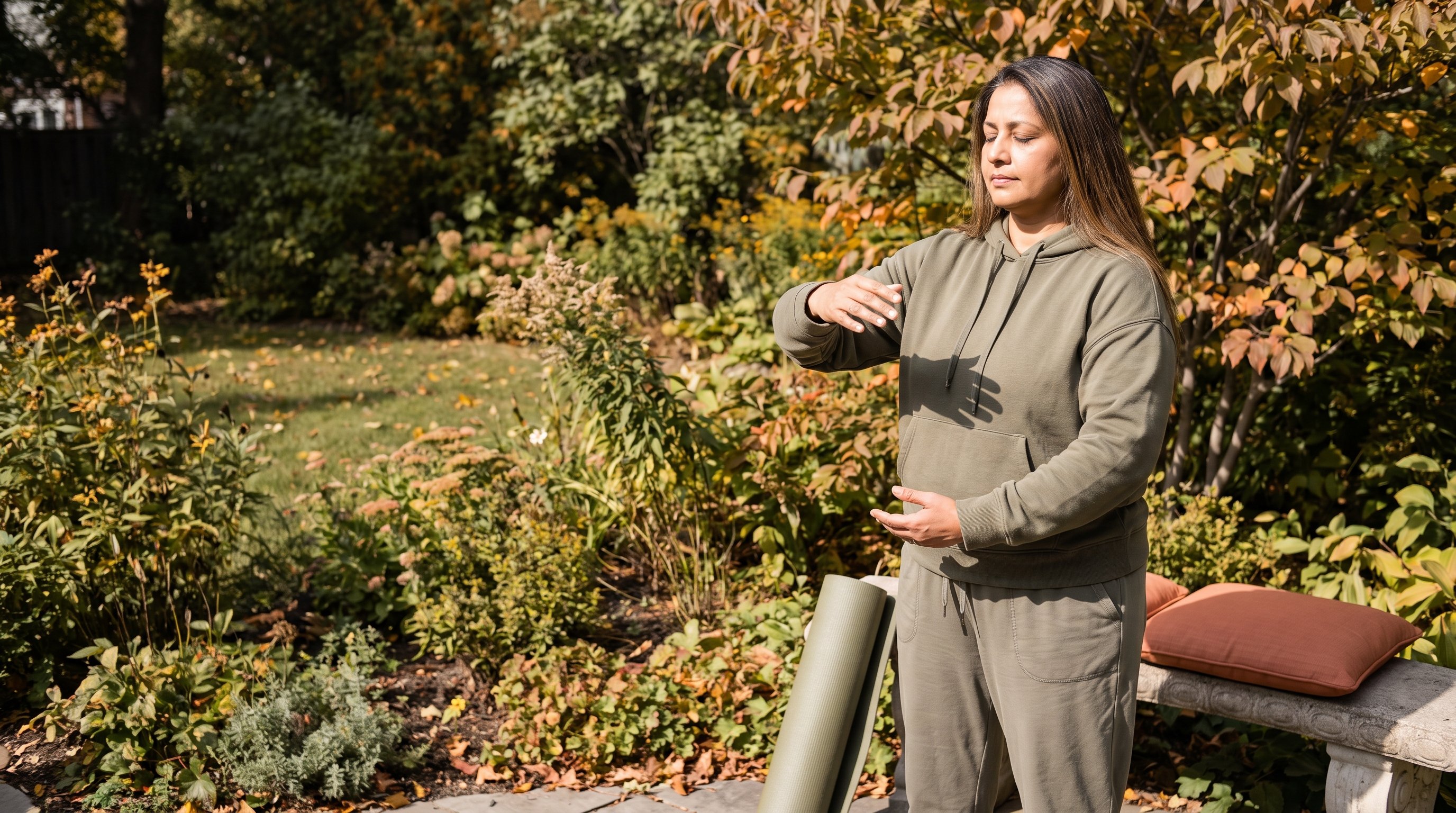
Qigong for beginners means starting with slow, low-impact movement paired with breathing, not mastering anything complicated on day one. You can begin with ten minutes and a flat patch of floor.
The practice works by combining gentle, repetitive movement with controlled breathing, which asks the body to relax and the mind to settle at the same time. That combination is the whole mechanism - nothing mystical, just movement and breath working together.
This guide covers the promises to ignore, how the practice actually works, what changes the results you get, a sample first week, and the mistakes that cause most beginners to quit before they've given it a fair go.
The Promise That Qigong Melts Fat Fast
No form of exercise burns fat from one specific spot, and Qigong is no exception. The body decides where it draws energy from, and that decision isn't under anyone's control, no matter how targeted the movements look.
What Qigong actually offers is gentle, sustained movement that you can keep doing day after day without it wrecking your knees or your motivation. Consistency over time is what supports a steady energy balance - not any single session, however intense.
The real answer beginners need isn't a shortcut. It's a routine simple enough to repeat, because repetition is what actually moves the needle.
How Breathing and Movement Work Together in Qigong
Qigong pairs each movement with a breath cycle, usually inhaling on an opening gesture and exhaling on a closing one.
The Breath Sets the Pace
Slow, controlled breathing naturally slows the body down, which is why Qigong feels unhurried compared with faster workout styles. The breath acts as a built-in timer, so you're never rushing a movement to keep up with music or a clock.
The Movement Keeps the Body Engaged
The slow, flowing movements ask joints and muscles to work through a full range of motion without any jarring or impact. That's what makes it accessible to people who find faster-paced workouts uncomfortable or simply not sustainable long term.
What Actually Changes Your Qigong Results
Three things decide whether Qigong becomes a habit that sticks or a false start you forget by March.
The Three Levers That Matter Most
- How often you show up - a short session most days beats one long session once a week, because the breathing and movement patterns need repetition to feel familiar.
- Whether the session fits your actual day - a 10-minute routine you'll do is worth more than a 45-minute one you keep skipping.
- What you pair it with - movement alone can't do everything, so how you eat and how much you move the rest of the day both matter too.
A Sample First Week of Qigong Sessions
Here's a realistic first week that doesn't ask for more than ten to fifteen minutes a day.
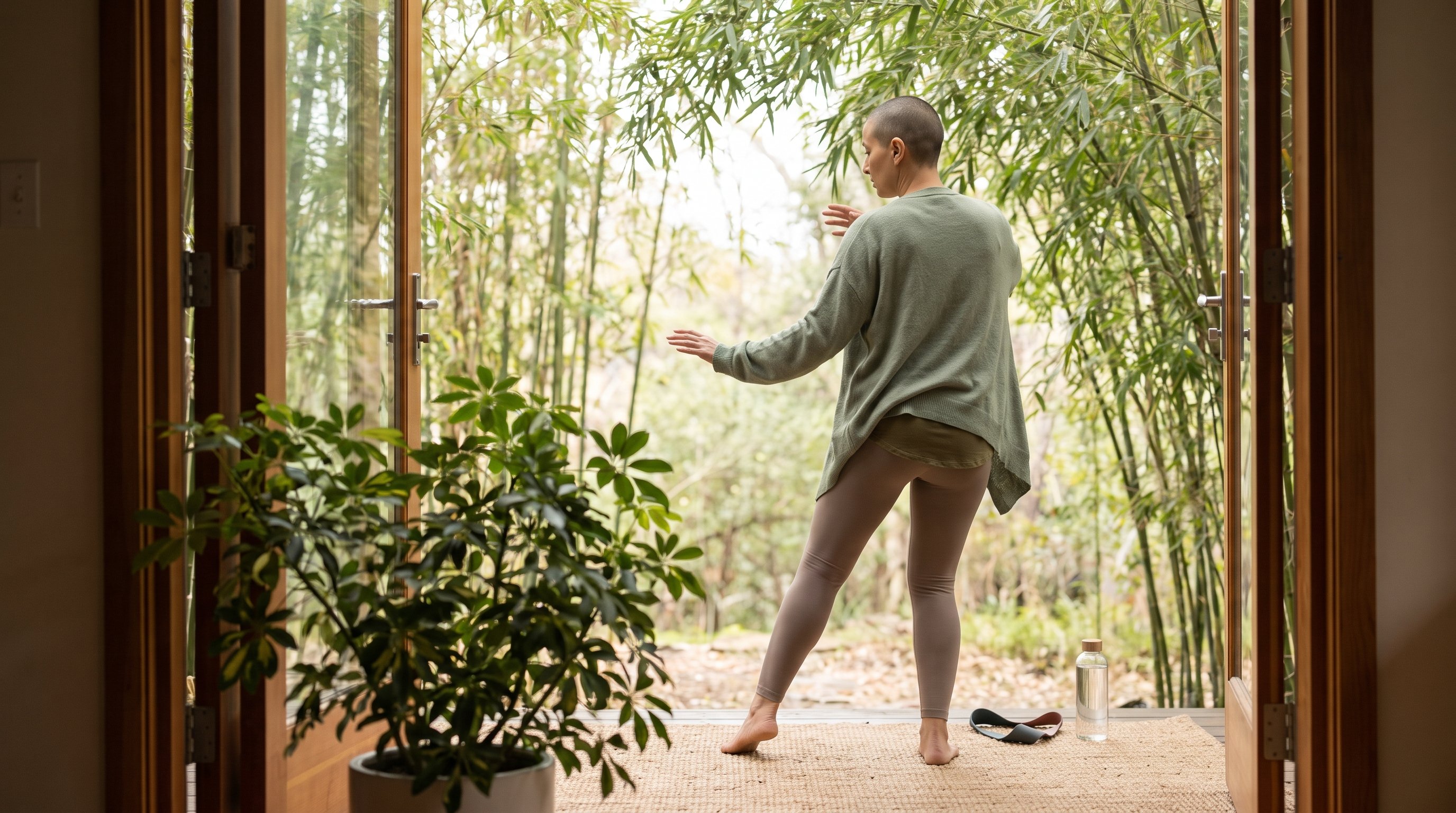
A First Week That's Easy to Repeat
- Monday - ten minutes of standing breathing practice, no movement needed yet, just settling into slower breaths.
- Tuesday - ten minutes combining two simple arm movements with the breathing from Monday.
- Wednesday - rest, or repeat Monday's breathing if you want something low effort.
- Thursday - fifteen minutes adding a gentle weight shift between the feet alongside the arm movements.
- Friday - repeat Tuesday's routine, aiming for smoother transitions between movements.
- Saturday and Sunday - one short session, whichever day suits, just to keep the pattern going into week two.
Making Qigong Work Around a Packed Schedule
Most people don't quit Qigong because they dislike it. They quit because they never figured out where it fits into a day that's already full.
The fix is to stop treating it like a separate appointment and attach it to something you already do - right after you brush your teeth, or during the first ten minutes of a lunch break.
This is where a structured plan helps more than good intentions do. Koi Yoga builds a tailored Qigong plan around short, guided sessions, so you're not left guessing what to do or how long it should take on a day you're already stretched thin.
When Beginners Usually Notice Qigong Becoming Easier
There's no fixed date when Qigong suddenly clicks, and anyone who promises one is guessing. What tends to happen is that the movements feel less awkward once you've repeated them enough times that your body stops thinking about the next step.
The honest answer is that this timing varies from person to person, depending on how often sessions happen and how much attention goes into the breathing each time.
The point where most beginners quit is somewhere in the first few weeks, right when the novelty fades and it hasn't yet become a habit. Getting past that stretch is less about willpower and more about making the session small enough that skipping it feels more awkward than doing it.
Mistakes That Trip Up New Qigong Practitioners
Starting With Sessions That Are Too Long
A 40-minute routine sounds impressive, but it's also easy to abandon when life gets busy. Start with ten minutes and build up only once that shorter session feels automatic.
Rushing the Breathing to Match the Movement
Qigong works because the breath sets the pace, not the other way round. Slow the movement down until it matches a comfortable breath, even if that means moving slower than feels natural at first.

Expecting the Body to Change Shape in One Area
No amount of Qigong will target a specific body part, and chasing that outcome leads to disappointment. Focus instead on showing up consistently, because that's the part actually within your control.
Skipping Days and Trying to Make Up for It Later
One long catch-up session doesn't replace several short ones, because the benefit comes from repetition, not duration. If a day gets missed, the simplest fix is just picking it back up the next day rather than doubling up.
Practising Without Any Guidance at All
Learning from scattered sources can leave you unsure whether you're doing a movement right, which chips away at confidence. A guided plan with clear instructions removes that guesswork from the start.
Starting Qigong for Beginners With Koi Yoga
Getting started is usually the hardest part, not the practice itself.
Koi Yoga offers hundreds of short, guided Qigong sessions built around your fitness level and schedule, so there's no need to piece together a routine from scratch. It also pairs the movement side with a meal plan built around food you already like, daily habit trackers, and challenges designed to keep you showing up - all of it aimed at long-term, balanced living rather than a quick fix.
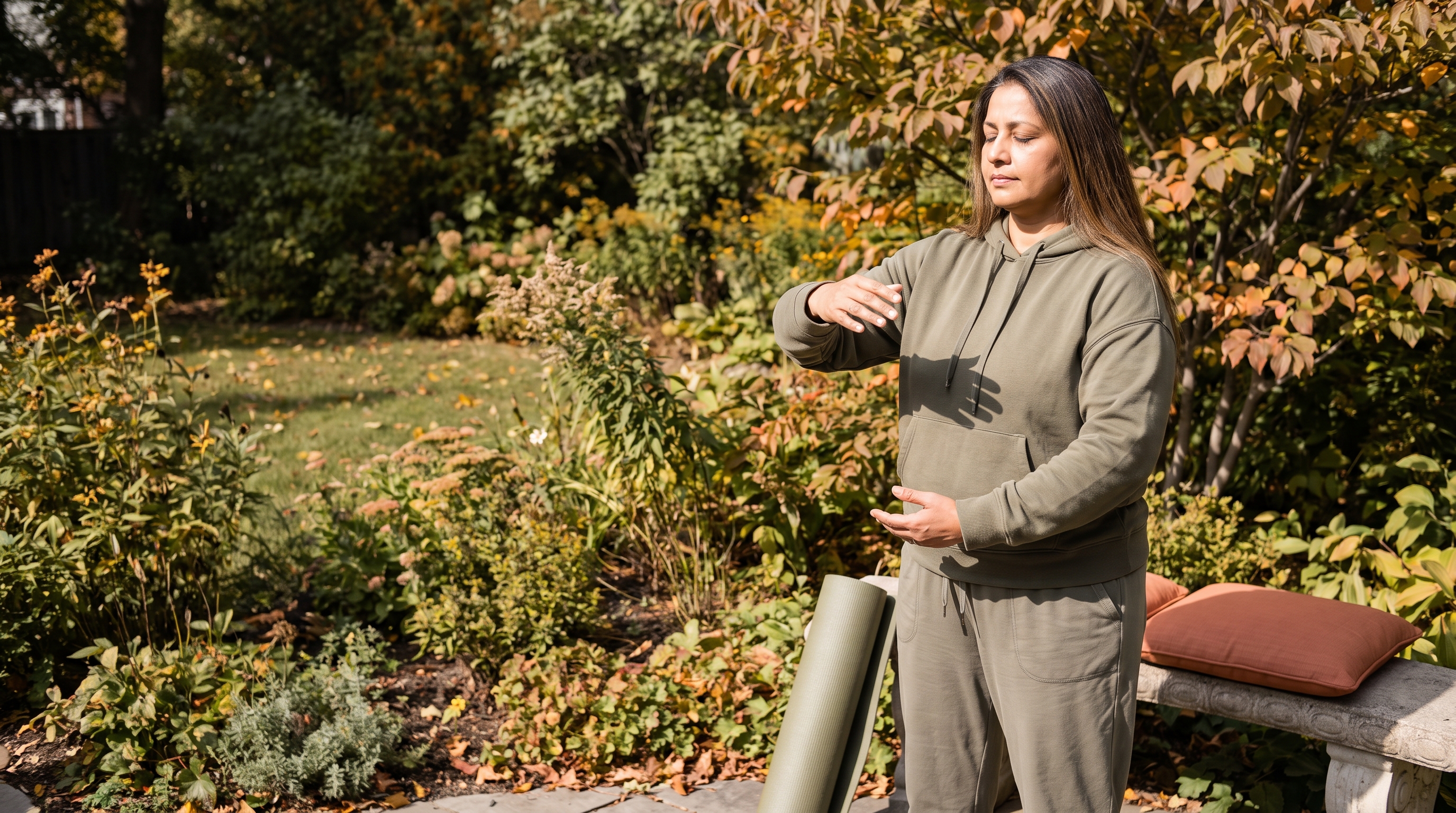
Lose Weight With Qigong
Burn Fat The Gentle Way
Picking Your First Qigong Session Today
Qigong for beginners doesn't need a special outfit, a mat collection, or a free afternoon. It needs ten minutes, a willingness to move slowly, and a plan simple enough to repeat tomorrow.
The single most useful action right now is picking a short session and doing it today, before the idea gets filed away for later. Koi Yoga can take the guesswork out of that first step, with a guided plan that's ready whenever you are.
FAQ
Qigong supports a steady energy balance when it's done consistently alongside sensible eating, but no single practice burns fat from a particular area. It works best as part of a wider routine, which is why Koi Yoga pairs guided sessions with a tailored meal plan rather than treating movement as the whole answer.
Slow doesn't mean ineffective - it means low impact, which is exactly why it's sustainable for people who find faster workouts hard to keep up. The value comes from doing it regularly, not from how intense any single session feels.
No, a flat space to stand and room to move your arms is enough to get started. Comfortable clothing helps, but there's no mat, weights, or special gear required.
Attaching the session to something you already do daily, like right after breakfast, makes it far easier to remember than treating it as a separate task. A guided plan with reminders and tracking also takes some of that mental load off your plate.
Share this post