Qigong For Beginners: A No-Nonsense Starting Guide
By:Author:Koi Yoga Editorial
Updated on:September 30, 2026
- Does Qigong Actually Work for Beginners?
- Why This Beats the Harder Alternative
- The Quantity Question: How Much Qigong Do Beginners Need?
- The Practical Question: How Do You Actually Start?
- Comparison: Qigong vs the Usual Beginner Options
- The Forbidden Promise, Answered Honestly
- Levers That Change the Result
- How Long Until You See Results?
- Your First Four Weeks
- What Stalls Progress
- Why Koi Yoga Works for This
- Final Thoughts
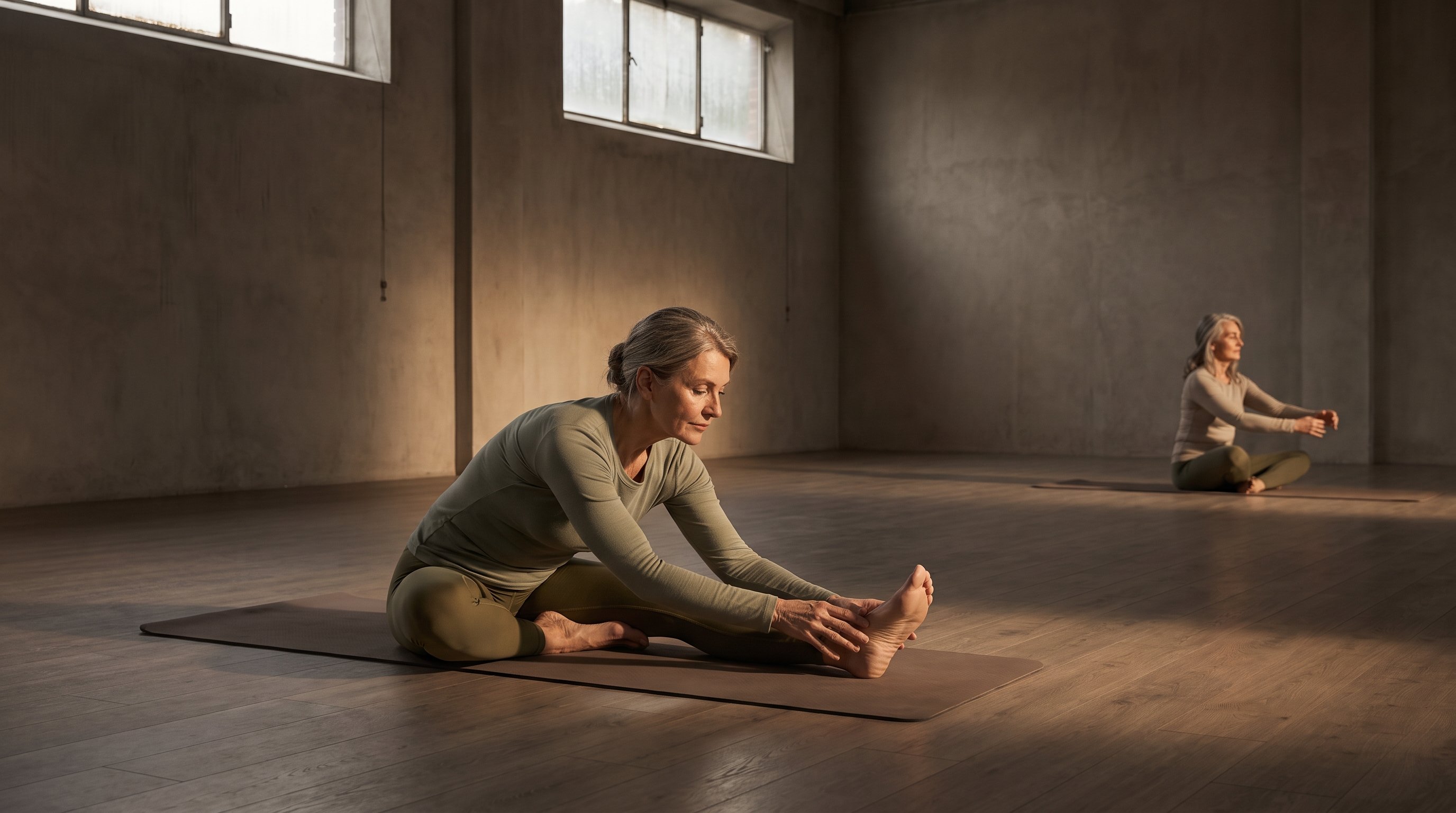
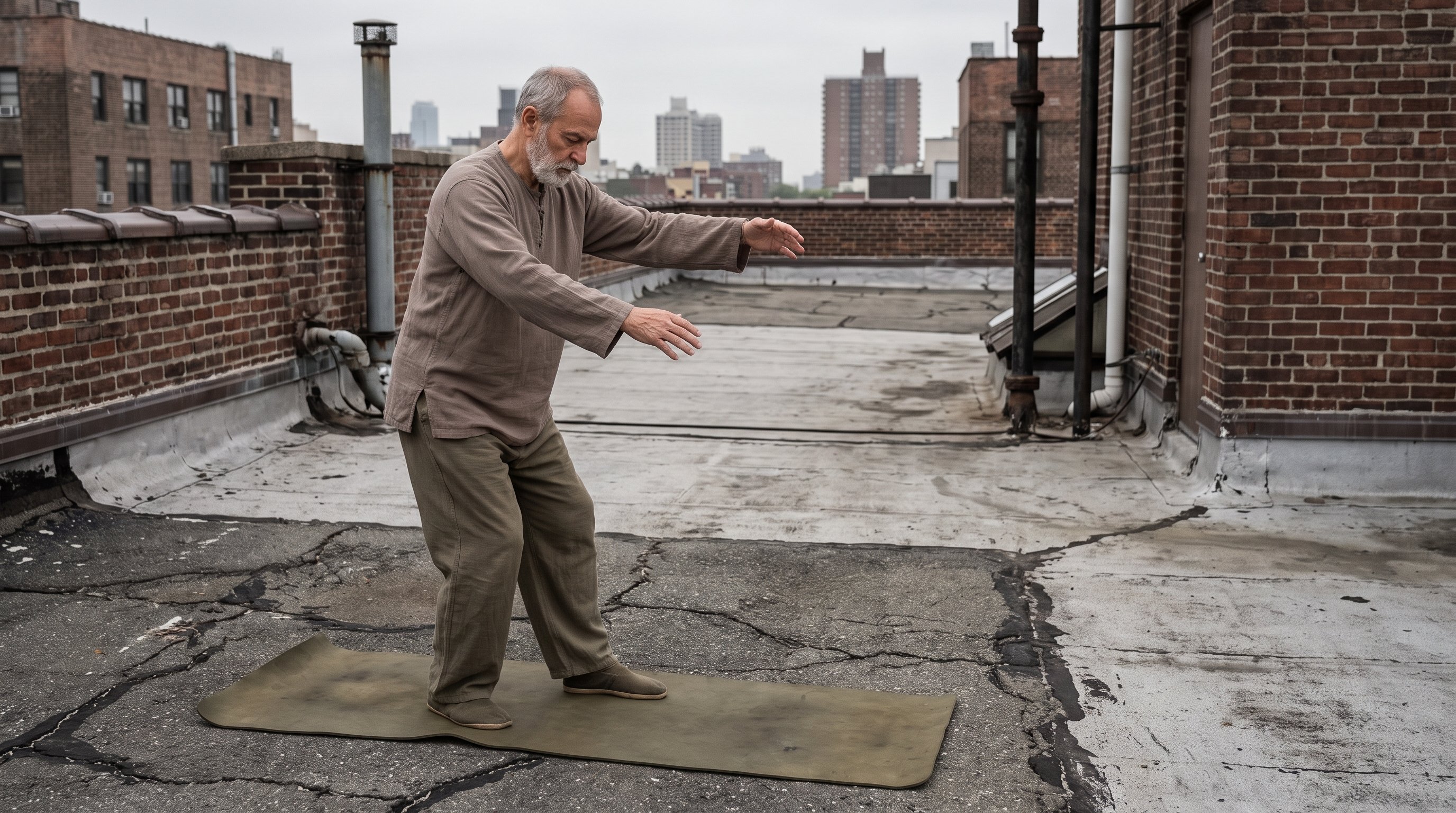
Ten minutes a day is the whole ask when you're starting qigong. Not an hour, not a special outfit, not a studio membership - just ten minutes.
Qigong works through slow, repeated movement paired with steady breathing, which asks your body to relax and move at the same time. That combination is the entire mechanism - no mystery, no magic, just controlled effort held over weeks.
This guide covers whether qigong actually does anything, how much you need, what the first month looks like, and where most beginners quietly quit.
Does Qigong Actually Work for Beginners?
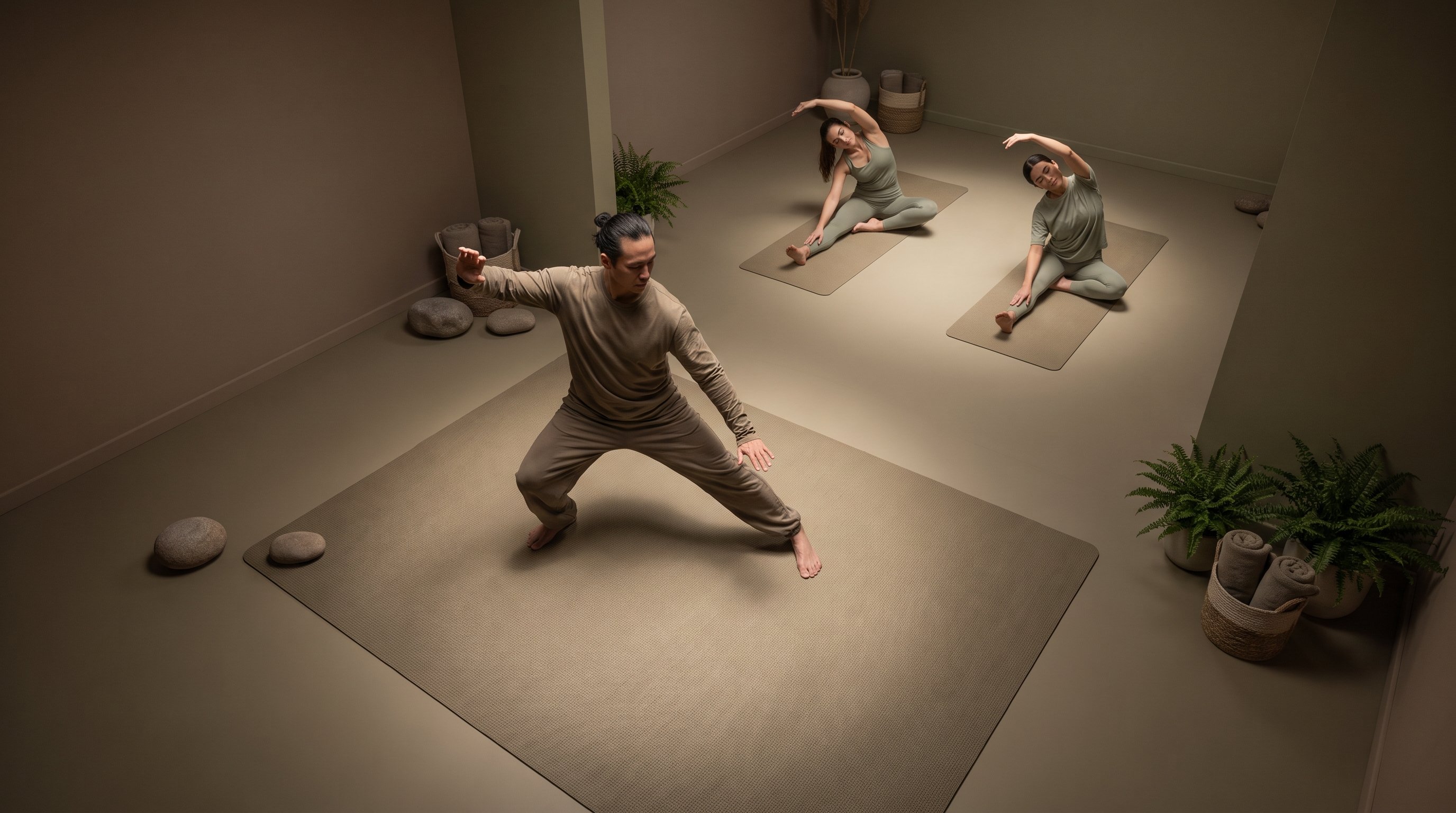
Qigong combines slow movement, breath control and posture holds, which is physical effort even though it doesn't look intense from the outside.
Ten minutes of continuous slow movement is still ten minutes of muscles working, joints moving through range, and your breathing rate changing on purpose.
Do that most days and the honest arithmetic is simple: ten minutes a day for a week is seventy minutes of movement you weren't doing before.
Over four weeks that's roughly four hours and forty minutes of consistent, low-impact activity - not dramatic on any single day, but it adds up because you kept showing up.
It won't reshape one body part or work faster than any other form of regular movement. What it offers is a version of exercise low-impact enough that you'll actually finish it, which matters more than intensity if intensity is what's been stopping you.
Why This Beats the Harder Alternative
The hardest workout plan is the one you stop doing. A punishing routine that lasts two weeks does less for you over a year than a gentle one that lasts fifty.
Qigong is built around low-impact, short sessions specifically because that's what most people can repeat without dreading it.
There's no equipment to set up, no drive to a gym, and no soreness that makes tomorrow's session feel like a chore.
That's the whole adherence argument: consistency beats intensity, and gentle is easier to be consistent with.
The Quantity Question: How Much Qigong Do Beginners Need?
There's no single right number, but a useful starting point is short and frequent rather than long and occasional.
Five to ten minutes, most days of the week, gives you repetition without asking for a big chunk of your day.
Find Your Own Number
Start with whatever you can repeat five days out of seven without it feeling like a burden, then adjust from there.
If ten minutes feels easy after a few weeks, add a second short session rather than making the one session longer and harder.
| Where You Are | Session Length | Frequency |
|---|---|---|
Just starting out | 5 minutes | Daily |
Building a habit | 10 minutes | 5-6 days a week |
Comfortable routine | 10-15 minutes | Most days |
Want more challenge | Two short sessions | Daily |
The Practical Question: How Do You Actually Start?
The practical barrier for most beginners isn't motivation, it's not knowing which movement to do or when to fit it in.
Figuring out sequences from scattered sources takes longer than the workout itself, which is exactly where people give up before they've started.
Koi Yoga solves that by handing you a tailored plan with guided sessions already sequenced, so the only decision left is pressing play.
It also keeps a habit tracker alongside the sessions, so you can see steps, water and consistency in one place instead of guessing whether you're actually keeping up.
Comparison: Qigong vs the Usual Beginner Options
Most people choosing a first movement practice are weighing qigong against a handful of familiar options.
Here's how they stack up on the things that actually decide whether you keep going.
| Option | Impact On Joints | Equipment Needed | Typical Time |
|---|---|---|---|
Qigong | Low | None | 5-10 min |
Running | High | Shoes | 20-40 min |
Gym weights | Moderate | Full gym | 45-60 min |
HIIT classes | High | Studio | 20-30 min |
Walking | Low | None | 20-30 min |
The Forbidden Promise, Answered Honestly
No, qigong will not burn fat from one area of your body, and neither will any other exercise - the body doesn't get to choose where it draws energy from.
It also won't produce overnight results, and nobody should promise you that it does.
What it can realistically offer is regular movement, steadier breathing, and a routine gentle enough to actually stick with over time.
That's a slower, honest answer, and it's the only one worth trusting.
Levers That Change the Result
Three things influence how much a beginner qigong routine gives back over time, and they're not equal.
What Actually Moves the Needle
- Consistency - a short session done most days beats a long one done occasionally, every time.
- What you eat around it - a meal plan built around food you already like makes the rest of the effort easier to sustain.
- Sleep and stress - poor sleep undercuts recovery and motivation no matter how good the session was.
How Long Until You See Results?
This is where most people quit - too early, before anything has had a chance to add up.
The honest answer is vague on purpose: it depends on your starting point, how often you actually show up, and what else is going on in your week.
Early weeks tend to feel like habit-building more than transformation, and that's normal, not a sign it isn't working.
Stick with the routine longer than feels necessary before deciding whether it's for you.
Your First Four Weeks
The order of these weeks matters more than hitting exact numbers.
| Week | Focus | Rough Goal |
|---|---|---|
Week 1 | Learn the basic moves | 5 minutes daily |
Week 2 | Build the daily habit | 7-10 minutes daily |
Week 3 | Add consistency, not length | 10 minutes, 6 days |
Week 4 | Notice your own rhythm | 10-15 minutes daily |
What Stalls Progress
Starting Too Long
Trying to do thirty minutes on day one is how most beginners quit by day three - keep it short so it's easy to repeat.
Skipping Days Without a Plan
One missed day easily becomes a week - decide in advance which five or six days are yours before the week starts.
Ignoring Food Entirely
Movement alone can't outpace a pattern of eating that works against you - pairing sessions with a simple, likeable meal plan closes that gap.
Expecting Fast Change
Checking for results every few days sets you up to feel discouraged - checking in every few weeks gives the habit room to actually add up.
No Way to See Progress
Without tracking anything, it's easy to forget how far a habit has come - a simple tracker for steps or consistency keeps the evidence in front of you.
Why Koi Yoga Works for This
Everything above points to the same conclusion: short, guided, repeatable sessions beat anything that asks too much too soon.
Koi Yoga builds around that idea directly - a tailored plan of short guided qigong sessions, paired with a meal plan, habit trackers and challenges designed to keep you showing up rather than figuring it out alone.
Final Thoughts
Qigong for beginners isn't complicated - it's ten minutes, most days, done in a way you can actually keep repeating.
If picking sessions and staying consistent feels like the hard part, Koi Yoga takes that decision off your plate so the only job left is showing up.
FAQ
It can support a routine of regular low-impact movement, which is one piece of a broader pattern, but no single exercise controls weight loss on its own. Pairing it with steady eating habits matters more than the exercise alone.
Slow movement held with controlled breathing is still muscular and cardiovascular effort, even without sweat or impact. Gentle doesn't mean ineffective, it means sustainable.
Five minutes is enough to start with, and it's easier to find five minutes than thirty. Short and daily beats long and rare almost every time.
That's usually the point people quit, right before a habit becomes automatic. Koi Yoga's challenges and tracking are built to keep that stretch from feeling like it's going nowhere.
Share this post