Qigong Exercises: A Practical Guide To Getting Started
By:Author:Koi Yoga Editorial
Updated on:October 28, 2026
- Can Slow, Breath-Led Movement Really Do Anything?
- The Two Mechanics Behind Slow Movement Practice
- How Much Practice Actually Fits a Normal Week
- Why Gentle, Daily Movement Beats a Hard Weekly Workout
- Making Slow Movement Fit a Week That's Already Full
- The Myth That Slow Movement Melts Fat From One Spot
- What Actually Shifts the Outcome Over Time
- Mistakes That Derail a New Movement Habit
- Building a Slow Movement Routine With Koi Yoga
- Turning a Few Minutes Into a Lasting Habit
A short, slow set of movements paired with steady breathing is enough to get started - no mat, no special outfit, no prior experience needed. The practice works by combining gentle physical motion with controlled breathing and focused attention, which together calm the nervous system and warm up stiff joints.
The mechanism is simple: slow, repeated movement increases blood flow and mobility, while slower breathing shifts the body out of a tense, wound-up state. Nothing about it is mysterious - it's just movement and breath, done on purpose instead of by accident.
This guide covers what the practice actually does, how often it needs showing up, the honest comparison against harder workouts, the mistakes beginners make, and how to fit it into a week that's already full.
Can Slow, Breath-Led Movement Really Do Anything?
Yes, within reason - the mechanism is mobility plus a calmer nervous system, not a magic switch flipped overnight. Slow movement through a full range of motion keeps joints and muscles working, and paced breathing can take the edge off a stressed, tense body.
Here's the honest arithmetic: a 15-minute session, five days a week, is 75 minutes of deliberate movement weekly. That's not a huge number, but it's 75 minutes more than someone doing zero, and consistency across weeks is what adds up, not any single session.
It won't out-muscle a heavy strength session or replace a hard cardio workout, and it doesn't claim to. What it offers is something low-barrier enough that people actually keep doing it, and doing something consistently tends to beat doing something intense occasionally.
The Two Mechanics Behind Slow Movement Practice
Two things are happening at once in a session like this, and understanding both explains why it feels different from a normal workout.
Slow, Repeated Motion Through the Joints
Moving arms, spine and legs slowly through their full range keeps joints lubricated and muscles engaged without the jarring impact of running or jumping. It's low-impact by design, which is why it suits people who want to move daily without soreness piling up.
Paced Breathing As the Other Half
Slowing the breath down - longer inhales, longer exhales - signals the nervous system to ease off its alert state. Pair that with the movement and the session becomes as much about settling the mind as it is about the body.
How Much Practice Actually Fits a Normal Week
Short and Often Beats Long and Rare
A 10 to 20 minute session most days of the week adds up to more total movement than one long weekend session, and it's far easier to slot into a packed schedule. The table below gives a simple way to scale sessions depending on how much time is actually available.
None of these numbers are a requirement - they're a starting point to adjust against a real calendar.
| Session Length | Good Time Slot | Main Focus |
|---|---|---|
| 5 minutes | Morning before work | Wake up joints |
| 10 minutes | Lunch break | Reset posture |
| 15 minutes | Evening wind-down | Slow the breath |
| 20 minutes | Weekend morning | Full session |
Why Gentle, Daily Movement Beats a Hard Weekly Workout
Compare two routes: an intense hour-long gym session once a week, or 15 minutes of gentle, breath-led movement most days. The gym session asks for more motivation, more recovery time, and more logistics - kit, travel, a shower after.
The gentle daily route asks for almost nothing - a few square metres of floor and a few minutes. The deficit that supports any wellness goal is held by what happens most days, not by what happens on the one day someone feels motivated, so the easier route tends to win simply because it keeps happening.
Making Slow Movement Fit a Week That's Already Full
The easiest way in is to attach a short session to something already happening - after brushing teeth, before the first coffee, or during a break between meetings.
No new slot needs to be invented, just a few minutes borrowed from a routine that already exists.
This is where a structured plan helps rather than just a vague intention to "move more". Koi Yoga offers short, guided sessions built around a day that's already busy, along with habit trackers that make it obvious whether the week actually happened or just got planned.
The Myth That Slow Movement Melts Fat From One Spot
No form of exercise, gentle or intense, burns fat from one specific area of the body. The body draws on stored energy from all over, in a pattern it decides on its own, not wherever a person is moving the most.
So a session focused on the arms doesn't slim the arms specifically, and that's just how the body works - it isn't a flaw in the practice. The real, honest answer is that consistent movement supports the deficit that matters for overall change, and where change shows up first is simply not something anyone gets to pick.
What Actually Shifts the Outcome Over Time
Three things matter more than the specific moves chosen on any given day.
The Factors That Count
- Showing up most days - a short session five or six times a week beats one long session that only happens occasionally.
- Breathing on purpose - slowing the breath during the movement is what separates this from just stretching.
- Matching effort to the day - a tired day calls for five easy minutes, not forcing a full session that gets skipped entirely next time.
Mistakes That Derail a New Movement Habit
Starting With Too Long a Session
Twenty minutes on day one can feel like a chore and get skipped on day two. Five or ten minutes that actually happens beats twenty minutes that gets abandoned by the end of the week.
Holding the Breath Instead of Pacing It
It's easy to focus so hard on the movement that breathing gets forgotten or held tight. Slowing the exhale is often the part doing the most work, so it's worth keeping attention there.
Expecting a Fast, Visible Change
Looking for an overnight difference sets anyone up to quit early out of disappointment. The honest expectation is steady, unglamorous repetition, not a dramatic before-and-after.
Skipping Days and Not Restarting
One missed day easily turns into a missed week if there's no simple way back in. A tracker or a reminder that flags the gap early makes restarting far easier than waiting for motivation to reappear on its own.
Building a Slow Movement Routine With Koi Yoga
Getting the movement and breathing mechanics right matters, but so does having a structure that removes the guesswork of what to do each day.
Koi Yoga is built around short, guided sessions that fit a busy schedule, paired with a meal plan built around food you already like and daily trackers for steps, water and weight so progress stays visible rather than guessed at.
Challenges inside the app are designed to keep motivation going past the first few weeks, which is usually where a new habit either sticks or quietly disappears.
Lose Weight With Qigong
Burn Fat The Gentle Way
Turning a Few Minutes Into a Lasting Habit
The simplest next step is picking one short time slot today and trying one session, rather than waiting for a perfect week to start in.
Koi Yoga can take over the planning side of that - what session to do, how long, and how to track it - so the only job left is showing up for a few minutes.
FAQ
Timing varies a lot from person to person, so there's no fixed number worth quoting. What tends to matter more is whether the sessions are actually happening most days, since that's what the change depends on.
It counts as movement, and movement that happens consistently adds up more than an intense session that only happens rarely. Gentle doesn't mean ineffective, it means low-impact and easier to sustain.
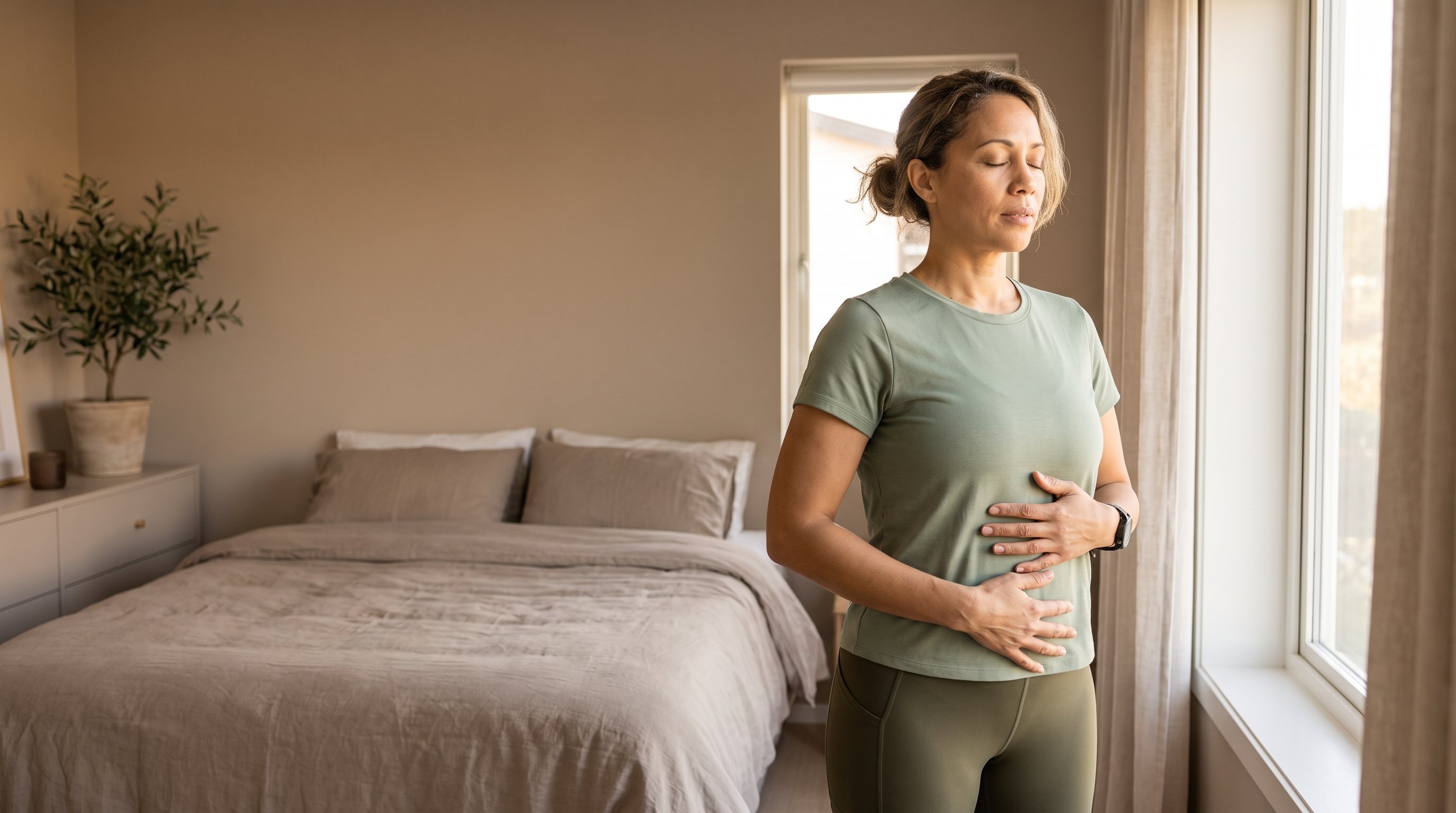
A few square metres anywhere - a hallway, a garden, an office corner during a break - is enough for most short sessions. The practice doesn't need equipment or a dedicated room, just a bit of space to move an arm's length in any direction.
Missing days is normal and doesn't undo earlier sessions, so the simplest move is just restarting at a short, easy length. Koi Yoga's habit tracker flags gaps early, which makes it easier to notice a missed day and get back in before a week turns into a month.
Share this post