Plant Based Diet For Beginners: A No-Nonsense Starting Guide
By:Author:Koi Yoga Editorial
Updated on:September 30, 2026
- Does a Plant Based Diet for Beginners Actually Work?
- Why This Beats the Harder Alternative
- The Quantity Question: How Many Plant Based Meals a Week?
- The Practical Question: Making It Fit Real Life
- Plant Based Diet vs Cutting Out Food Groups Entirely
- The Forbidden Promise, Answered Honestly
- Levers That Change the Result
- How Long Until You See Results?
- Your First Four Weeks
- What Stalls Progress
- Why Koi Yoga Works for This
- Final Thoughts
Swap just one meal a day for a plant based one and you've already changed roughly seven meals a week out of twenty-one. That's a third of your plate, shifted without touching the other two.
The mechanism is simple substitution, not elimination. You're not banning food groups, you're crowding your plate with more vegetables, legumes and whole grains so there's less room left for everything else.
This guide covers what a beginner plant based diet actually looks like, how much change is realistic, what stalls people in week two, and how a short daily habit can help the shift stick.
Does a Plant Based Diet for Beginners Actually Work?
The idea behind eating more plant based meals is arithmetic before it's anything else. Plants tend to bring more fibre and volume for fewer calories than heavily processed or fatty foods, so the same size plate often ends up lighter.
Say a typical dinner runs 700 calories with meat, cheese and a starch. Rebuild it around beans, vegetables and grains and you might land closer to 450-550 calories for a plate that looks just as full.
That gap, repeated across a handful of meals a week, adds up to a real weekly deficit without anyone counting a single calorie at the table.
None of this requires perfection. Three plant based dinners a week instead of zero is still three fewer heavy meals than before, and that's the whole point of starting small.
Why This Beats the Harder Alternative
Going fully vegan overnight is one option. Swapping a few meals a week toward plants is another, and it's the one people actually keep doing past January.
Strict rules create a binary: you're either following the diet or you've failed it. Miss one meal on a rigid plan and it can feel like the whole week is ruined, which is exactly when people quit.
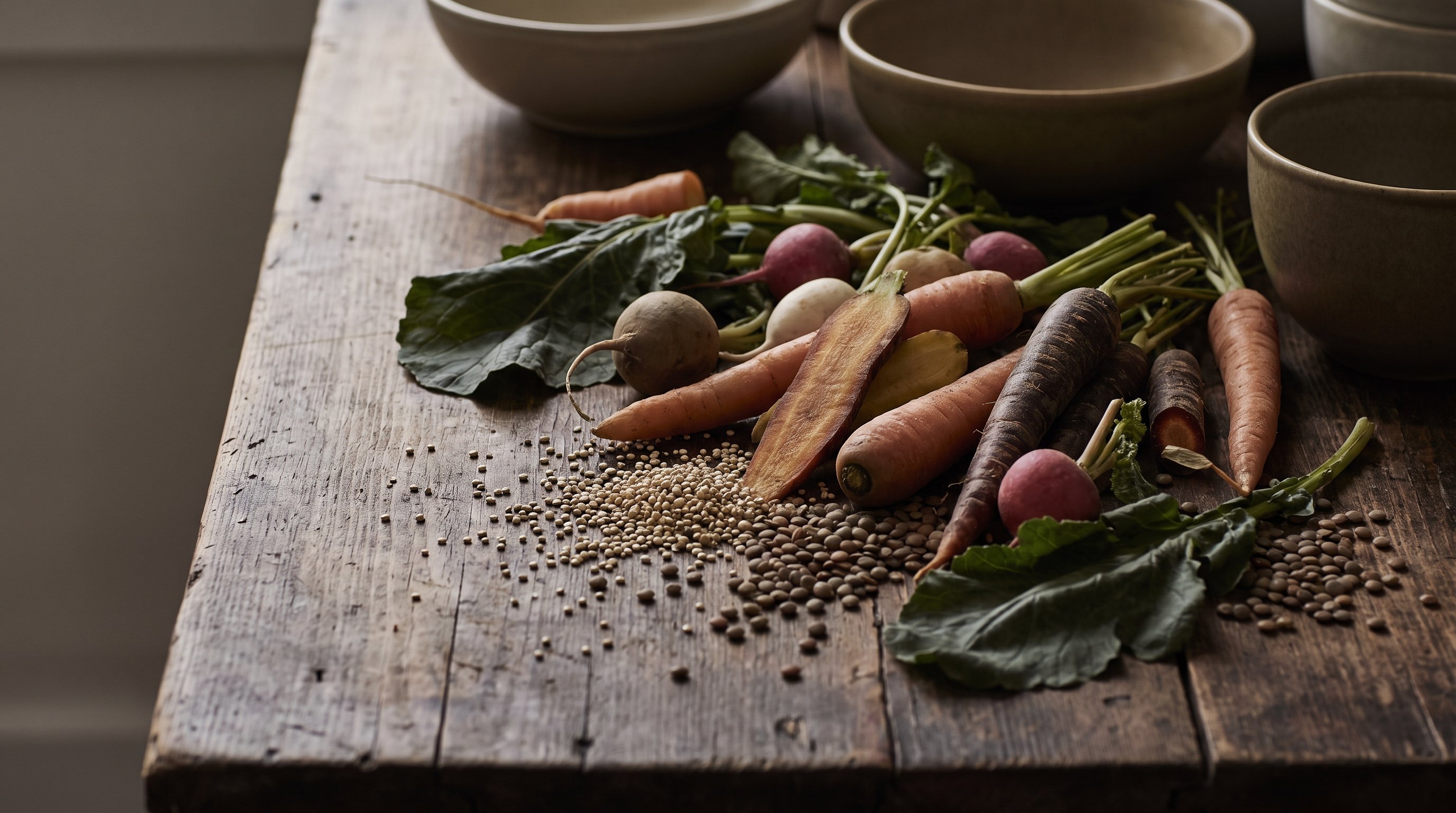
A flexible swap-based approach has no failure state. If Tuesday's dinner has chicken in it, Wednesday's plant based lunch still counts, and the week still moves in the right direction.
Adherence beats intensity almost every time. A moderate change kept up for months outperforms a strict one abandoned after two weeks, simply because the moderate one is still happening.
The Quantity Question: How Many Plant Based Meals a Week?
There's no single correct ratio, but a useful starting frame is meals per week, not percentages of your diet. Out of 21 meals, decide how many you're willing to make plant based this week - not forever, just this week.
Find Your Own Number
Start with a number that feels almost too easy, then hold it steady for a few weeks before raising it.
The table below gives three common starting points and what each one actually means in practice.
| Starting Point | Meals Per Week | What It Looks Like |
|---|---|---|
Light start | 3-4 per week | Swap most dinners once or twice |
Moderate | 7-10 per week | One plant based meal daily |
Committed | 14+ per week | Two of three meals most days |
Pick the row that feels sustainable on a busy Tuesday, not the one that feels impressive on paper.
The Practical Question: Making It Fit Real Life
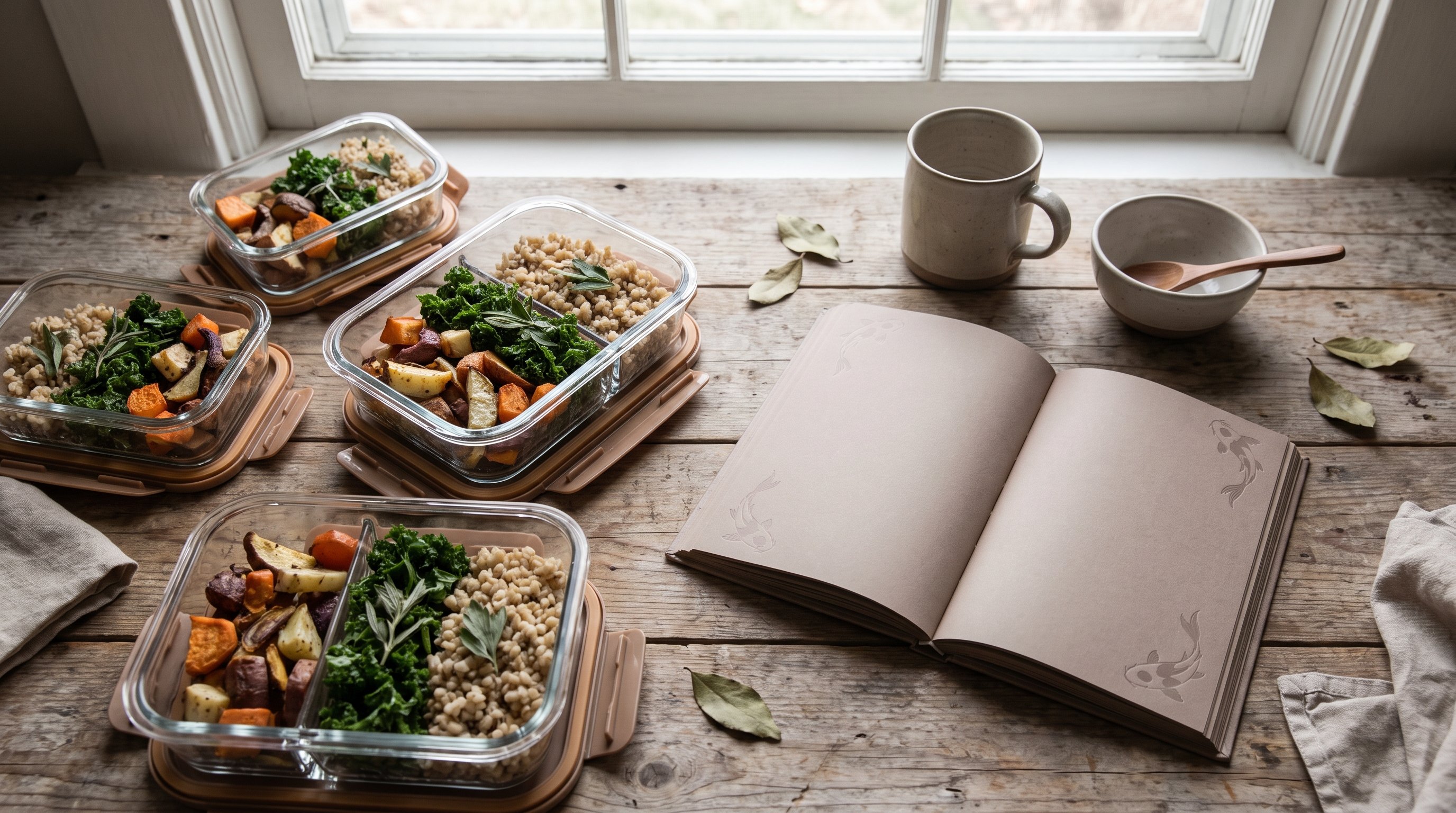
Beginners usually stall on logistics, not willpower. Knowing you should eat more lentils and actually having lentils prepped and a plan for Tuesday night are two very different things.
A meal plan built around food you already like removes a lot of the guesswork - you're not researching recipes from scratch, you're following something already laid out.
Koi Yoga pairs a tailored meal plan with daily habit trackers, so the plant based swaps you choose this week are actually visible instead of vaguely intended.
Seeing water intake, weight and consistency in one place turns a loose goal into something you can check on, which matters more than any single recipe.
Plant Based Diet vs Cutting Out Food Groups Entirely
A full elimination diet - no dairy, no meat, no grains, all at once - sounds thorough but usually asks too much too fast. A plant based approach for beginners asks for addition first: more vegetables, more legumes, more whole grains, alongside whatever else is already on the plate.
The comparison below lays out five practical differences between the two approaches.
| Factor | Plant Based Swaps | Full Elimination |
|---|---|---|
Starting difficulty | Low, gradual swaps | High, all at once |
Social meals | Easy to navigate | Often awkward |
Grocery cost | Similar to before | Can rise sharply |
Risk of quitting | Lower | Higher |
Time to build habit | Weeks | Often days before quitting |
Neither approach is wrong, but one of them is a lot easier to still be doing in month three.
The Forbidden Promise, Answered Honestly
No food, plant based or otherwise, targets fat on your stomach, thighs or anywhere else. The body decides where it draws energy from, and no meal plan gets to choose the order.
There's also no version of this where week one brings dramatic change. What plant based eating actually offers is a lighter, more fibre-dense way of eating that supports a gradual, sustained calorie gap over time.
That's a slower story than the one usually sold, but it's the honest one, and it's the version that tends to still be true in six months.
Levers That Change the Result
Not every part of a plant based switch matters equally. These three carry most of the weight, in order.
What Actually Moves the Needle
- Consistency over completeness - three plant based meals a week, kept up for months, beats a fully plant based week that lasts one round.
- Protein and fibre on the plate - beans, lentils and whole grains keep meals filling, so smaller portions still feel like enough.
- Prepping ahead of the busy day - the meal you've already decided on beats the one you have to think up at 6pm.
How Long Until You See Results?
This is where most people quit - somewhere around week two or three, when the novelty wears off and nothing dramatic has happened yet.
That's normal, and it's not a sign the approach isn't working. Changes from a moderate, sustained calorie shift tend to show up gradually rather than on a fixed schedule, so it's worth judging the plan by whether you're still doing it, not by the mirror.
Sticking with the swaps past the flat-feeling middle stretch is usually the difference between people who keep going and people who stop.
Your First Four Weeks
The order below matters more than hitting exact numbers - build the habit before you build the ambition.
| Week | Focus | Goal |
|---|---|---|
Week 1 | Swap 3 dinners | Learn 3 easy plant meals |
Week 2 | Add 1 lunch swap | Build a short grocery list |
Week 3 | Repeat what worked | Stop improvising, use favourites |
Week 4 | Add 1 more meal | Review what felt sustainable |
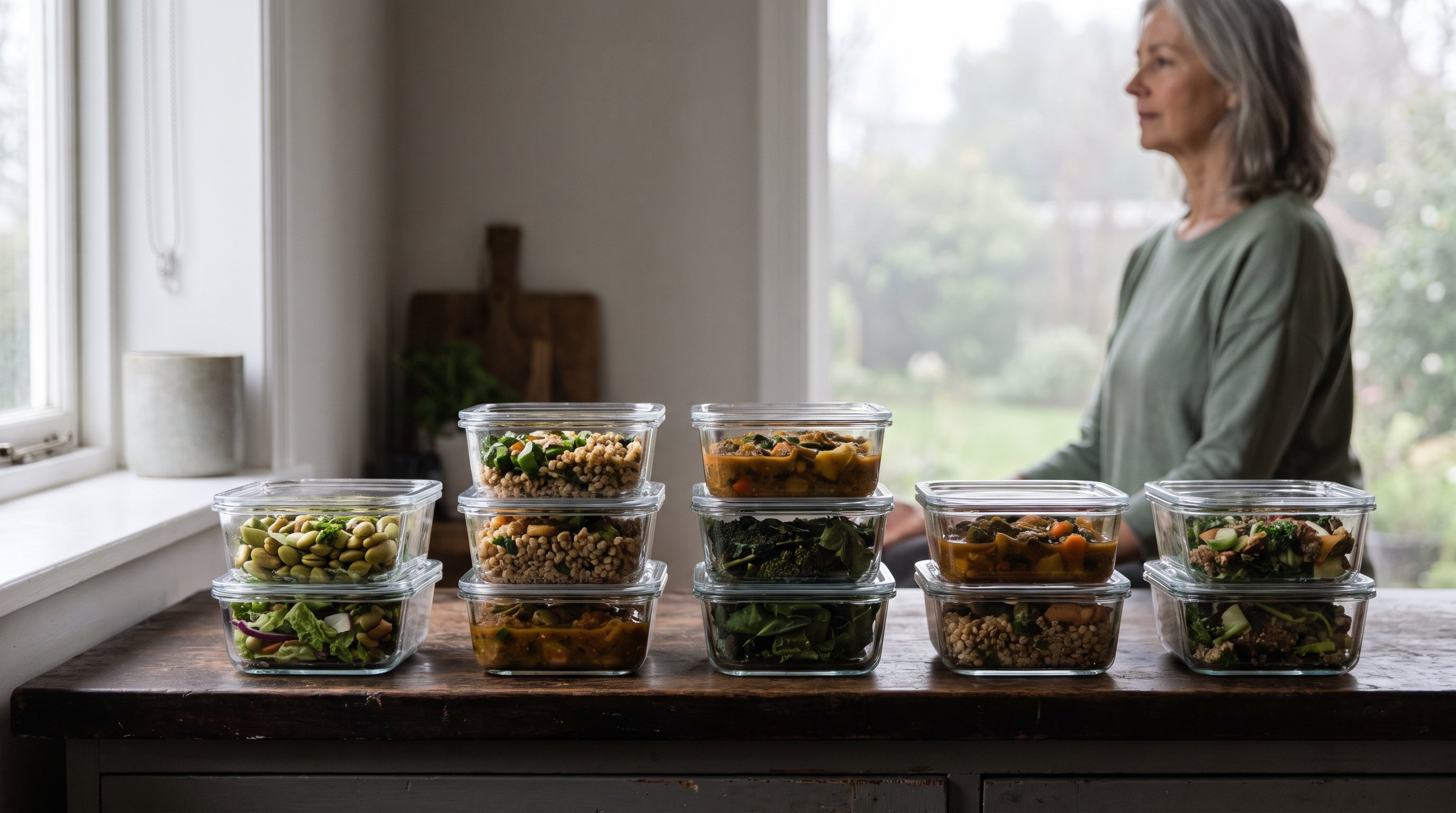
By week four you're not starting from scratch anymore - you're just deciding whether to add one more meal to what already works.
What Stalls Progress
Trying to Go Fully Plant Based in Week One
Cut the ambition in half. Three swaps a week that stick beat twenty-one that collapse by Thursday.
No Plan for the Busy Weeknight
Prep one or two go-to meals in advance so the tired version of you isn't deciding from scratch.
Treating One Skipped Meal As a Failed Week
One meal off plan changes nothing about the other six or seven you kept. Pick back up at the next meal, not next Monday.
Meals That Are All Vegetables, No Protein or Fibre
Add beans, lentils or whole grains so the plate actually holds you over, otherwise hunger undoes the whole swap by 4pm.
Judging It by the Scale After Two Weeks
Track the habit - meals swapped, days followed through - rather than a number that moves for a dozen other reasons too.
Why Koi Yoga Works for This
A plant based swap works best when it's paired with something that makes the rest of the day easier too, not harder.
Koi Yoga combines a tailored meal plan with short guided Qigong sessions and daily habit trackers, so the food side and the movement side reinforce each other instead of competing for the same ten minutes of motivation.
Final Thoughts
A plant based diet for beginners doesn't need to start with a full pantry clear-out. It starts with one meal this week, then another next week, until the swaps just become how you eat.
Pair that with a structure that tracks the habit for you - like Koi Yoga's meal plan and daily trackers - and the whole thing gets a lot easier to keep doing.
FAQ
No, beans, lentils, rice, oats and seasonal vegetables cover most beginner plant based meals and are usually some of the cheapest items in the shop. Specialty substitutes are optional, not required.
Not if the plate includes fibre and protein-rich foods like beans, lentils or whole grains, which help meals feel filling. Hunger usually shows up when a plate is vegetables only, with nothing to hold the meal together.
Pick two or three simple recipes and repeat them rather than hunting for new ones constantly. A short list of go-to meals removes the decision fatigue that usually causes people to quit by week two.
Week three is exactly where most plans lose people, usually because the early novelty has worn off and nothing dramatic has happened yet. Koi Yoga's habit trackers keep the small wins visible during that flat stretch, which is often enough to keep someone going past it.
Share this post