Easy Mediterranean Recipes: Practical Meals That Work
By:Author:Koi Yoga Editorial
Updated on:September 30, 2026
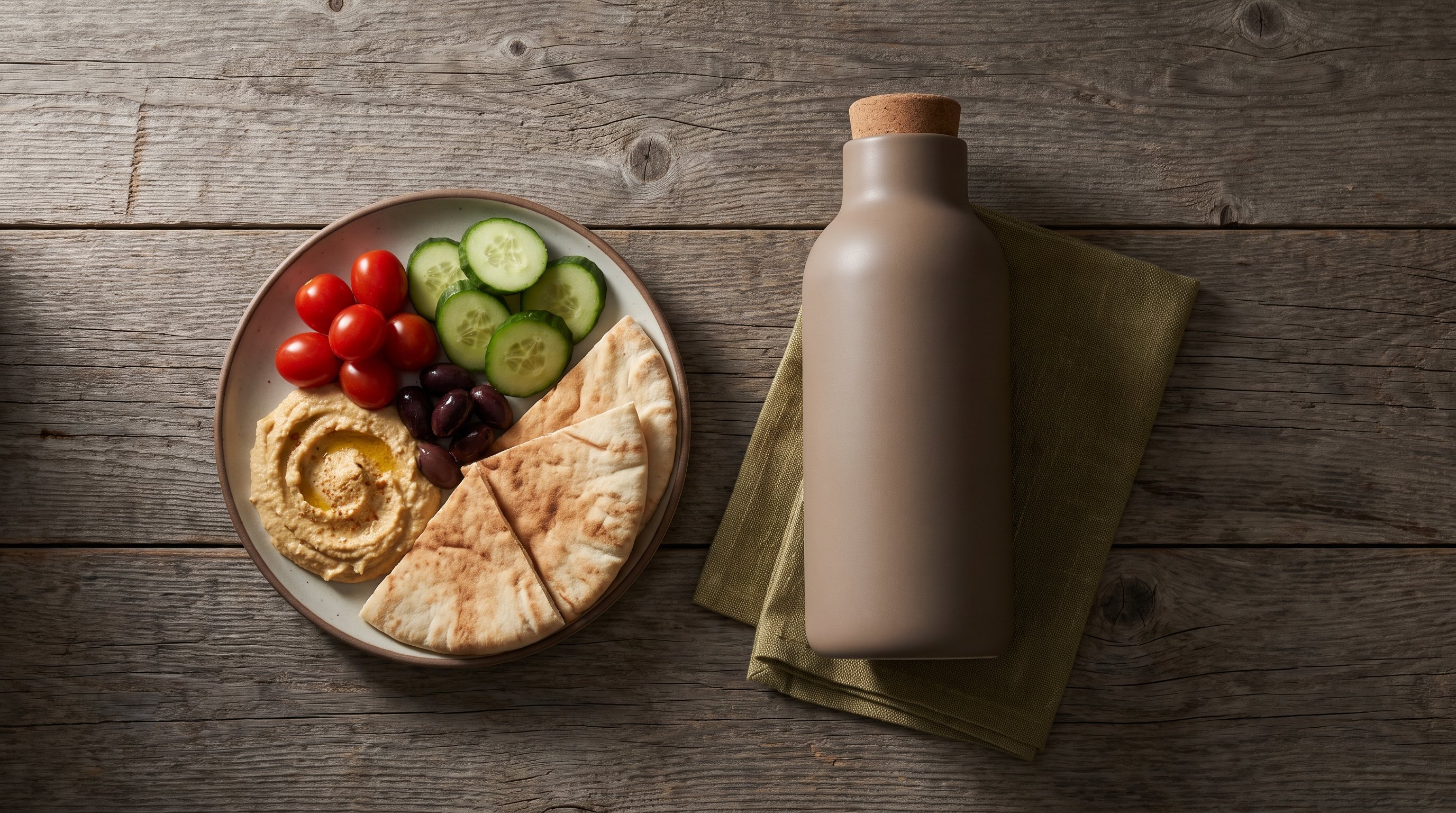
Three ingredients - olive oil, vegetables and beans - show up in almost every easy Mediterranean recipe, and that repetition is exactly why the pattern is easy to cook without a recipe book in hand.
The mechanism is simple: meals built around plants, whole grains and healthy fats tend to be filling for the calories they carry, so you eat well without measuring every bite.
This guide covers whether the approach actually works, how much you need, a first-month plan, and what tends to derail people before it becomes a habit.
Does It Work?
The Mediterranean pattern isn't a single meal or a magic food - it's a way of building plates that's heavy on vegetables, legumes, whole grains and olive oil, with fish and poultry more often than red meat.
The honest arithmetic: a plate that's half vegetables, a quarter protein and a quarter whole grains, dressed in olive oil instead of a heavy sauce, is naturally lower in calories per mouthful than one built around refined carbs and fried food.
Eat that plate most days and the deficit that supports weight management builds itself, without you having to count a single calorie.
That's the whole case for it - not a superfood, just a structure that's hard to overeat by accident.
Why This Beats the Harder Alternative
Strict diets fail for a boring reason: they ask you to eat food you don't like, forever, and forever is a long time.
Mediterranean cooking works differently - it's substitution, not restriction, so you swap butter for olive oil and white rice for farro rather than cutting out entire food groups.
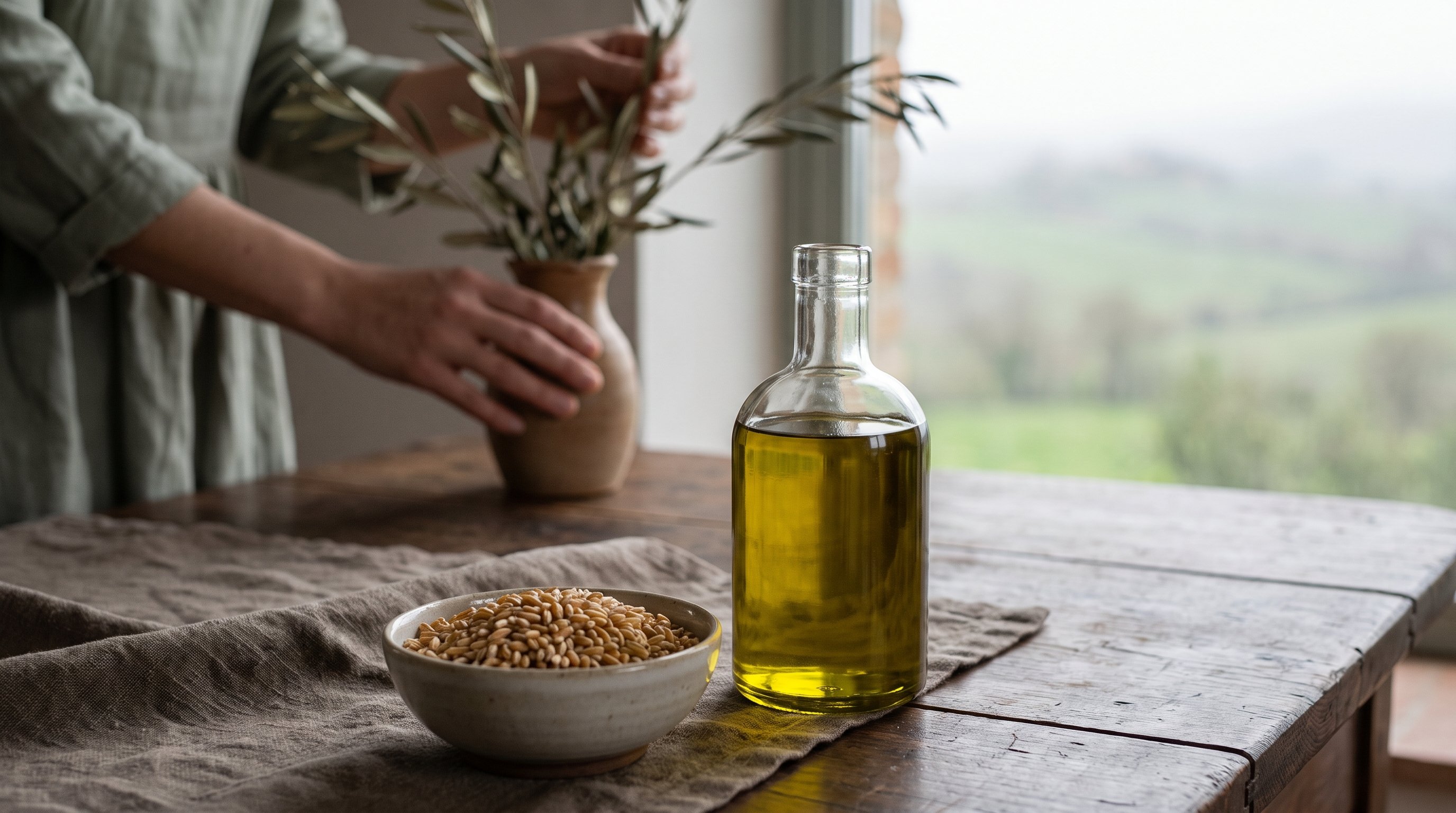
A plan you can actually hold for months beats a stricter one you abandon in three weeks - adherence is the entire game.
Easy recipes matter here because ease is what keeps you cooking on a Tuesday night when takeaway is one tap away.
The Quantity Question
There's no single number of Mediterranean meals a week that works for everyone - it depends on how much of your current plate you're willing to rebuild.
Some people swap one meal a day, others rebuild the whole week - both move the needle, just at different speeds.
Find Your Own Number
Start by counting how many meals you currently cook versus buy, then pick a realistic number of those home meals to make Mediterranean-style this week.
| Starting Point | Meals a Week | What Changes |
|---|---|---|
Light start | 2-3 per week | Swap one dinner |
Steady pace | 4-5 per week | Rebuild lunches too |
Full rebuild | 6-7 per week | Most meals at home |
Pick the row that matches your current cooking habits, not the one that sounds most ambitious.
The Practical Question
Knowing the pattern is one thing - fitting it around a working week is another problem entirely.
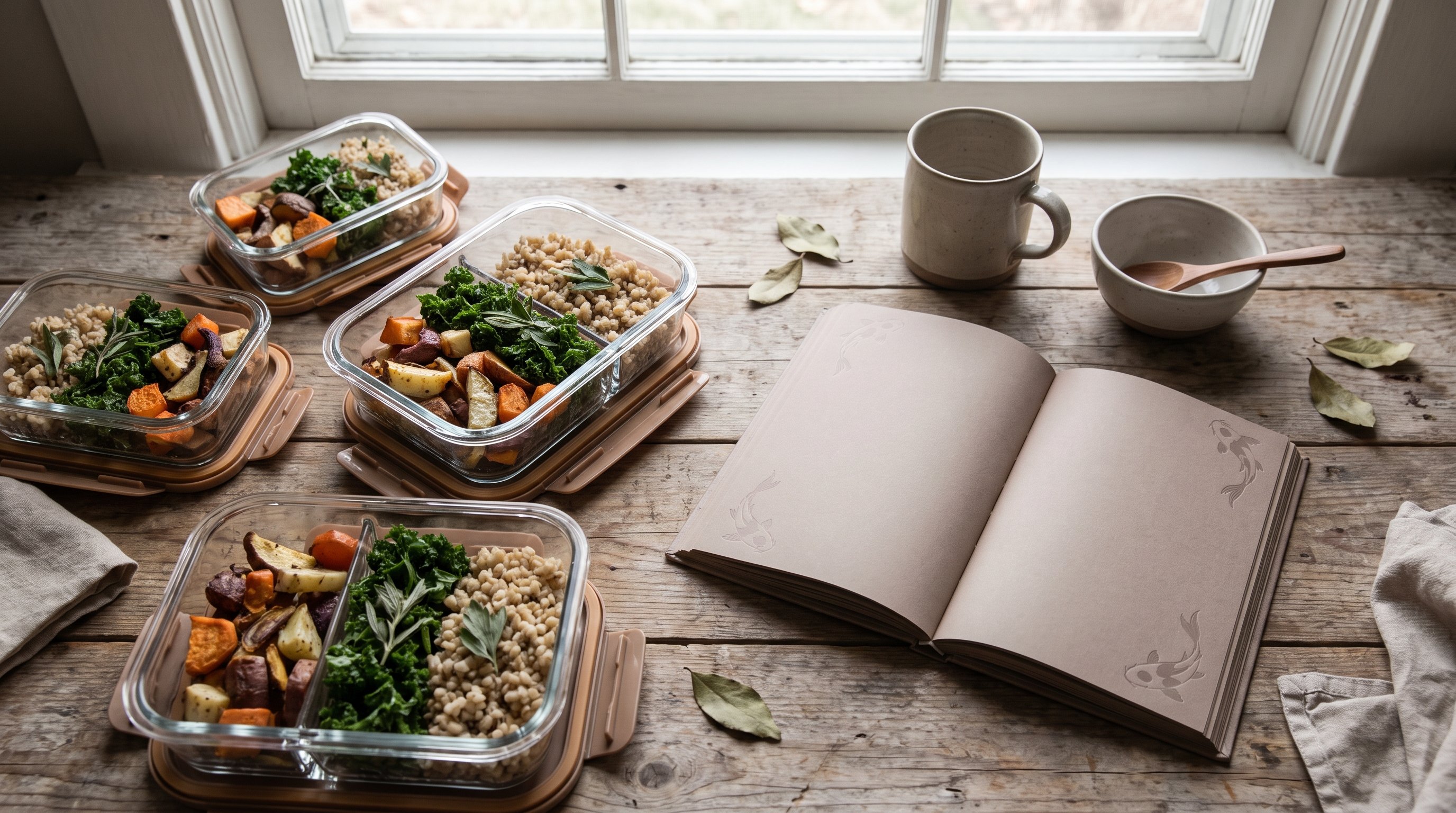
Batch-cooked grains, a standing bag of frozen vegetables and a jar of good olive oil cover most easy Mediterranean recipes without a shopping trip every night.
Koi Yoga pairs a meal plan built around food you already like with short daily movement sessions, so the eating side and the movement side support each other instead of competing for your time.
Having both mapped out in one place removes the daily decision of what to cook and what to do, which is often the actual barrier, not motivation.
Comparison
Most people weighing up an eating style are really weighing up how much change they're prepared to sustain, not which diet is theoretically best.
| Eating Style | Flexibility | Cook Time | Grocery Needs |
|---|---|---|---|
Mediterranean pattern | High | 20-30 min | Familiar staples |
Strict low carb | Low | 20-30 min | Specialist items |
Meal replacement plan | Low | Minimal | Branded products |
Takeaway default | High | None | None |
Home-cooked mixed diet | Medium | 30-45 min | Varies weekly |
The Mediterranean pattern sits in the sweet spot: flexible enough to keep, structured enough to matter.
The Forbidden Promise, Answered Honestly
No recipe, however easy, burns fat from one part of the body - the body doesn't choose where weight comes off, and no meal changes that.
There's also no overnight version of this - a week of good meals doesn't undo years of habits, and it shouldn't need to.
What's real is slower and steadier: a plate that's easier to hold long-term tends to support gradual, sustainable change over time.
That's a smaller promise than the ones that sell, but it's the one that's actually true.
Levers That Change the Result
Some choices move the outcome far more than others.
What Actually Moves the Needle
- Cooking most meals at home - even simple ones, because it puts you in control of the oil, the portion and the ingredients.
- Keeping a stocked pantry - olive oil, tinned beans, whole grains and frozen vegetables mean the easy option is also the good option.
- Consistency over perfection - a pattern held loosely for months beats a strict version held tightly for a fortnight.
How Long Until You See Results?
This is where most people quit - somewhere between week two and week four, when the novelty has worn off but nothing dramatic has happened yet.
Change here tends to show up gradually rather than on a fixed schedule, and it's usually noticed in energy and how clothes fit before it shows anywhere else.
Staying with the pattern past that flat stretch is the part that actually decides the outcome.
Your First Four Weeks
The order of changes matters more than the exact numbers - build the habit before you optimise it.
| Week | Focus | Action |
|---|---|---|
Week 1 | Swap one dinner | Try one new recipe |
Week 2 | Stock the pantry | Buy staples in bulk |
Week 3 | Rebuild lunches | Batch cook grains |
Week 4 | Add variety | Rotate three recipes |
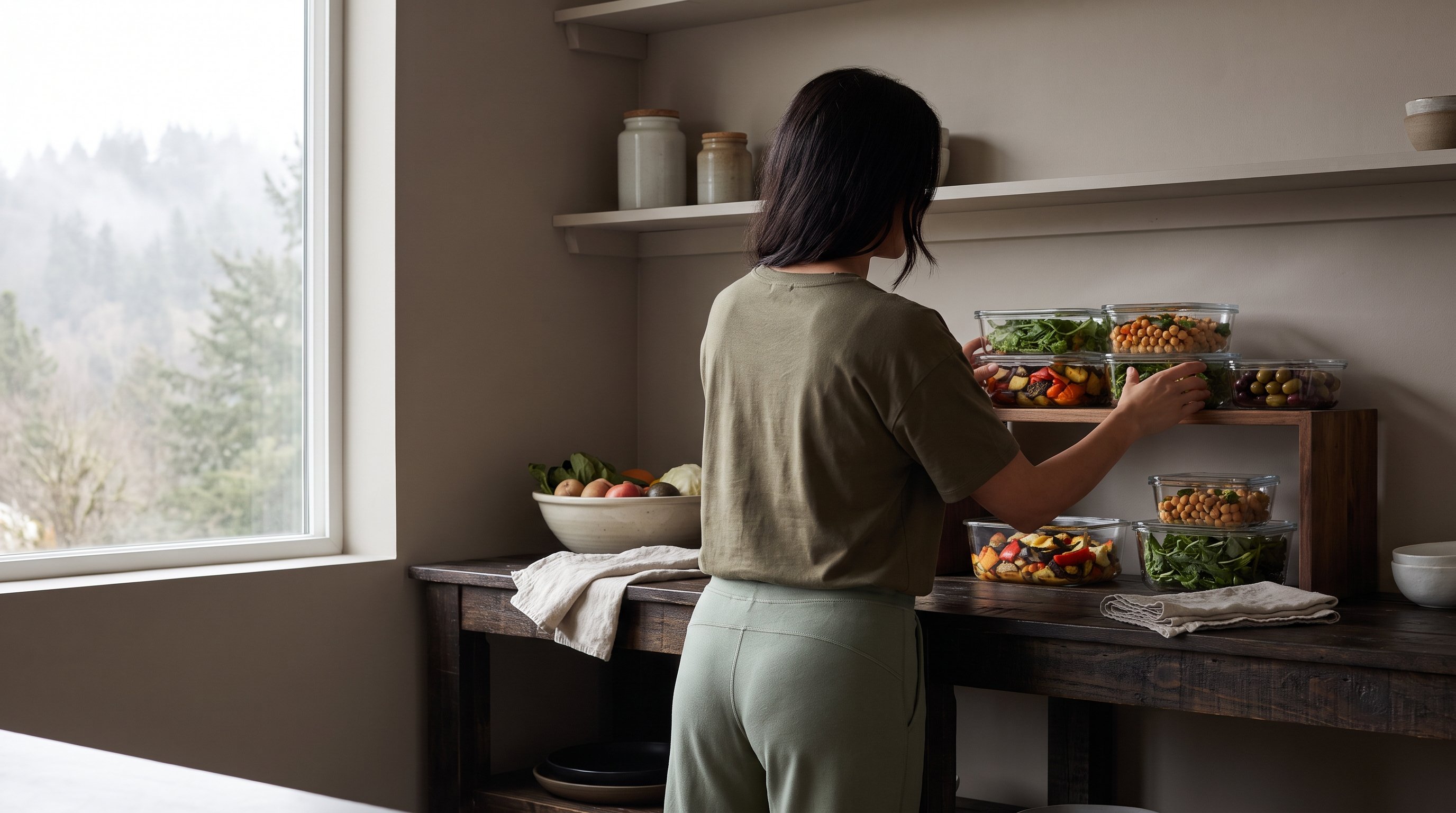
By week four the goal isn't a perfect diet, it's a repeatable rhythm you don't have to think hard about.
What Stalls Progress
Buying Ingredients You Never Use
A pantry full of good intentions and unopened jars is a sign the recipes were too ambitious - pick three simple ones and repeat them for a fortnight.
Treating Olive Oil As a Free Pass
Healthy fat is still a calorie-dense ingredient, so measure it with a spoon rather than pouring straight from the bottle.
No Plan for Lunch
Dinner gets the attention while lunch defaults to whatever's quickest - batch-cooking grains and beans on the weekend fixes this in one go.
All-Or-Nothing Thinking
One takeaway night doesn't undo the week - the fix is the next meal, not a restart on Monday.
Skipping the Movement Side
Eating well without any daily movement leaves half the equation untouched - short, low-impact sessions fill that gap without needing a gym.
Why Koi Yoga Works for This
Cooking Mediterranean-style is the eating half of the equation - the other half is staying active without it becoming another chore on the list.
Koi Yoga brings tailored meal plans, daily habit trackers and short guided Qigong sessions into one place, so the food changes above have something to pair with instead of standing alone.
Keeping steps, water and weight in one dashboard makes it easier to notice what's actually working, and the built-in challenges give the process something to aim for beyond willpower alone.
Final Thoughts
Easy Mediterranean recipes work because they're built on substitution, not restriction - swap the oil, swap the grain, keep the meals you already enjoy.
Start with one dinner this week, stock a few pantry staples, and let the habit build from there - Koi Yoga can help you pair that eating pattern with short daily movement so both halves move together.
FAQ
Staples like tinned beans, whole grains and frozen vegetables are usually cheaper than pre-made meals, and olive oil goes a long way in bulk. The cost mostly depends on how much fresh fish or specialty items you add on top.
It's built on substitution rather than elimination, so nothing is technically off the table. That flexibility is the whole reason it tends to be easier to hold than stricter plans.
Start with one or two meals a week and build from there rather than rebuilding the whole week at once. Batch-cooked grains and beans can cover several meals from one cooking session.
That drop is normal and it's usually when people quit, not because the pattern stopped working but because nothing dramatic had happened yet. Pairing the eating changes with short daily Qigong sessions in Koi Yoga gives the process something structured to lean on during that flat stretch.
Share this post