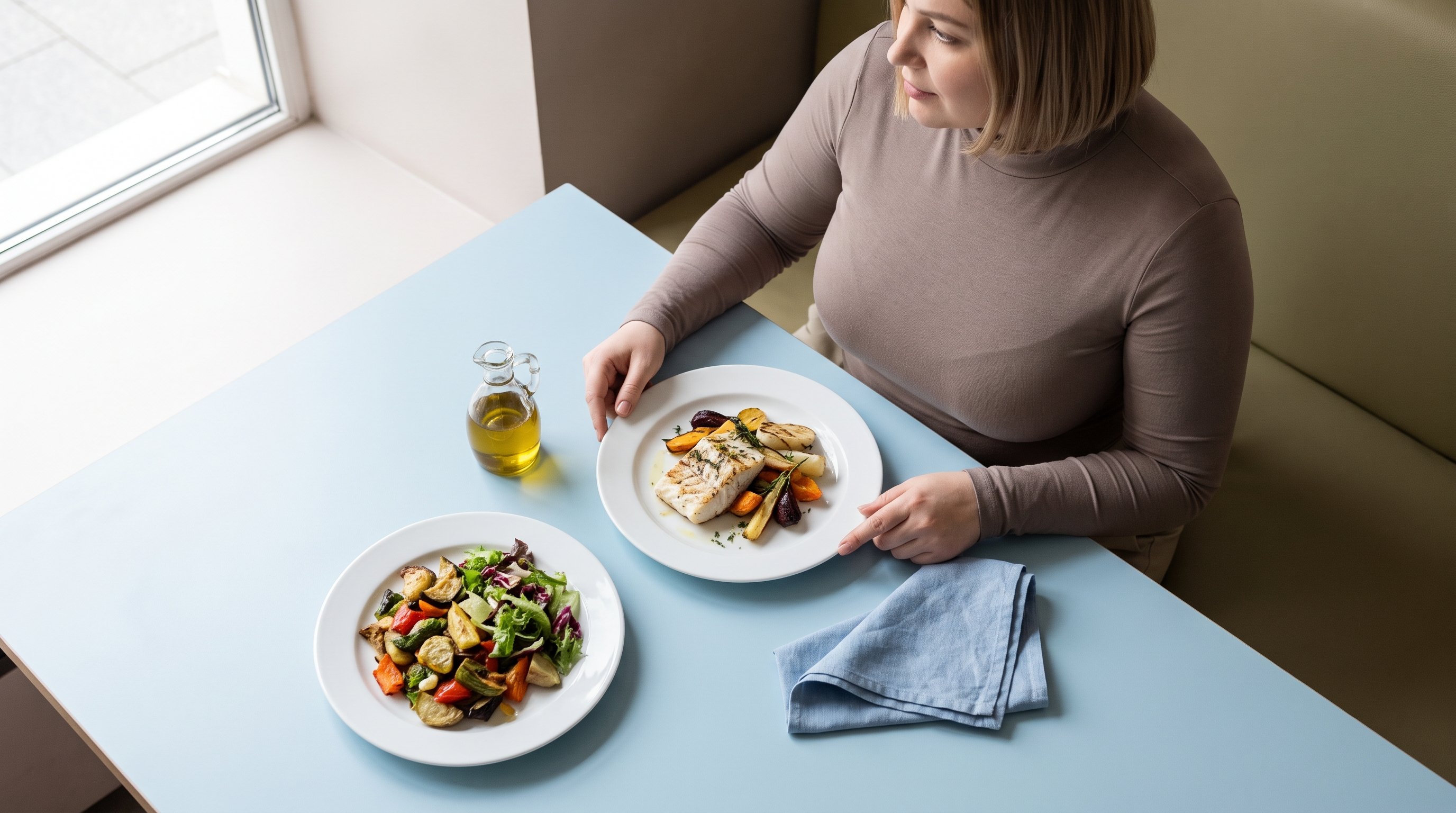
Low Carb Diet Foods: What to Actually Eat for Results
By:Author:Koi Yoga Editorial
Updated on:October 28, 2026
- Does Cutting Carbs Actually Change the Outcome?
- How Low Carb Diet Foods Actually Do Their Job
- How Much to Cut and What to Eat Instead
- Why Simple Swaps Beat Cutting Carbs Entirely
- Fitting Low Carb Eating Into a Packed Week
- The Myth That Carbs Alone Make You Store Fat
- What Actually Changes the Result on Low Carb
- Mistakes People Make With Low Carb Diet Foods
- Making Low Carb Diet Foods Easier With Koi Yoga
- Putting Low Carb Swaps Into Tonight's Dinner
Low carb diet foods work by cutting the foods that spike hunger fastest, which makes it easier to eat less overall without feeling like you're white-knuckling every meal.
Swap refined carbs for protein, fibre and healthy fats and you tend to feel fuller on fewer calories, which is the actual mechanism behind any weight change, not something special in the foods themselves.
This guide covers what to actually put on the plate, how much structure you need, why the simpler version beats the extreme one, and where people usually trip up.
Does Cutting Carbs Actually Change the Outcome?
The honest answer: cutting carbs doesn't burn fat by itself, but it often makes a calorie deficit easier to hold, and the deficit is what actually matters.
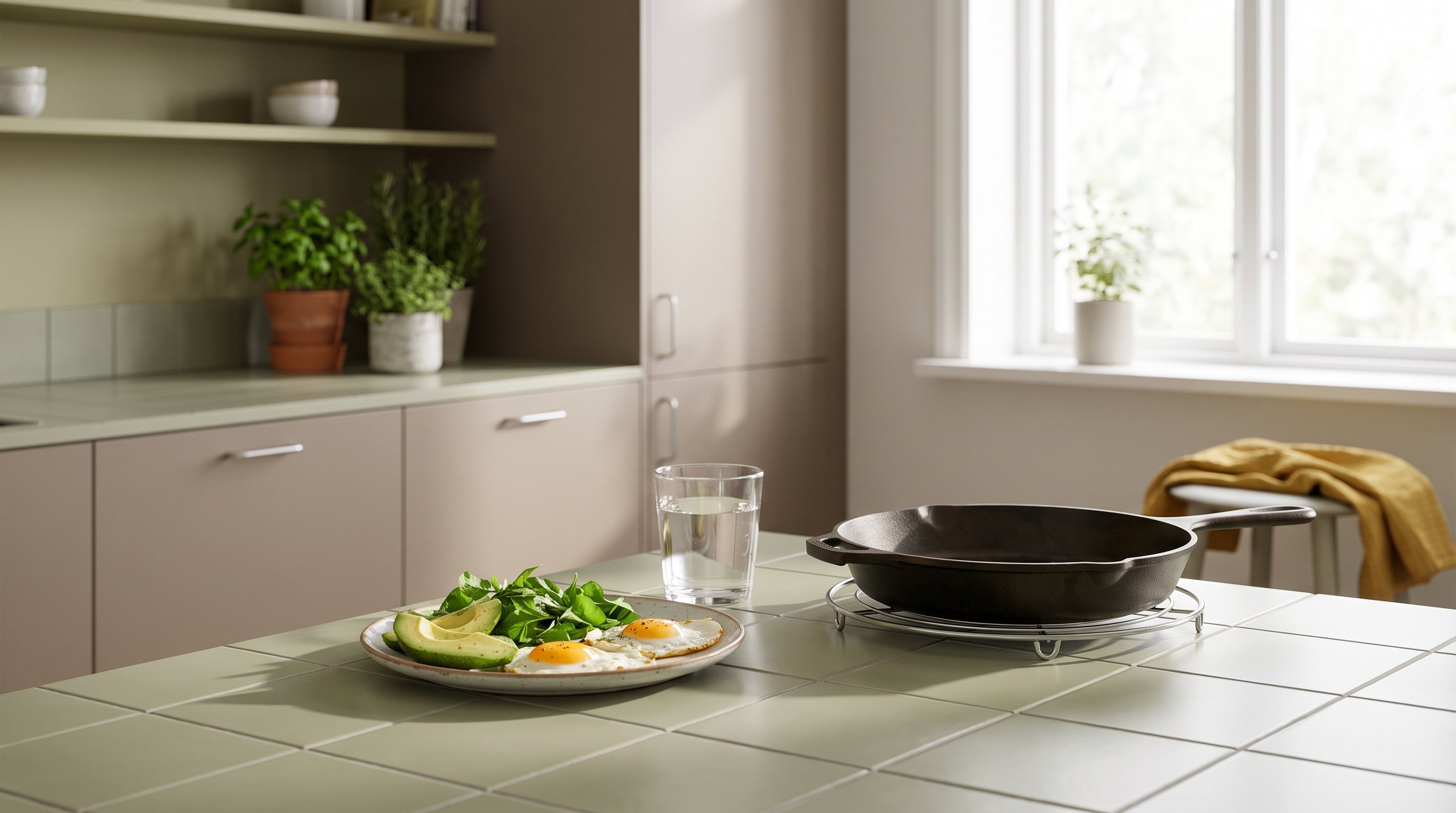
Here's the arithmetic. A slice of white bread and a serving of chips can add up to several hundred calories without doing much for fullness, while the same calories spent on eggs, chicken or lentils tend to leave you satisfied for longer.
Fewer cravings mid-afternoon means fewer extra calories later, and that's the whole story - less about the carbs vanishing and more about what replaces them.
How Low Carb Diet Foods Actually Do Their Job
Protein and Fibre Slow Down Digestion
Foods like eggs, fish, beans and vegetables take longer to digest than refined grains, which keeps blood sugar steadier and hunger quieter between meals.
Fewer Refined Carbs Means Fewer Easy Extra Calories
White bread, pastries and sugary drinks are easy to overeat because they don't fill you up much; cut them and you naturally remove a chunk of calories you weren't getting much benefit from anyway.
Put those two together and you get a plate that's harder to overeat from, which is the real engine behind any result people see.
How Much to Cut and What to Eat Instead
Build the Plate Around Protein First
Start with a protein source, add a vegetable or two, then decide if you need a small starchy side - that order alone tends to cut portions of refined carbs without any counting.
Here's a simple reference for swapping common meals without overhauling your whole kitchen.
| Typical Choice | Low Carb Swap |
|---|---|
| White rice bowl | Cauliflower rice or lentils |
| Sandwich on white bread | Lettuce wrap or open-face rye |
| Sugary cereal | Eggs or plain yoghurt with berries |
| Pasta with sauce | Courgette noodles or wholegrain pasta |
| Packaged crisps | Nuts or sliced vegetables with hummus |
Why Simple Swaps Beat Cutting Carbs Entirely
Going from a normal diet to near-zero carbs overnight is the harder route, and it tends to fail for a plain reason: it removes too much too fast, so cravings build and the plan collapses within weeks.
Swapping white rice for lentils or crisps for nuts is the easier route because it keeps meals familiar while quietly lowering the calories that were doing the least for you.
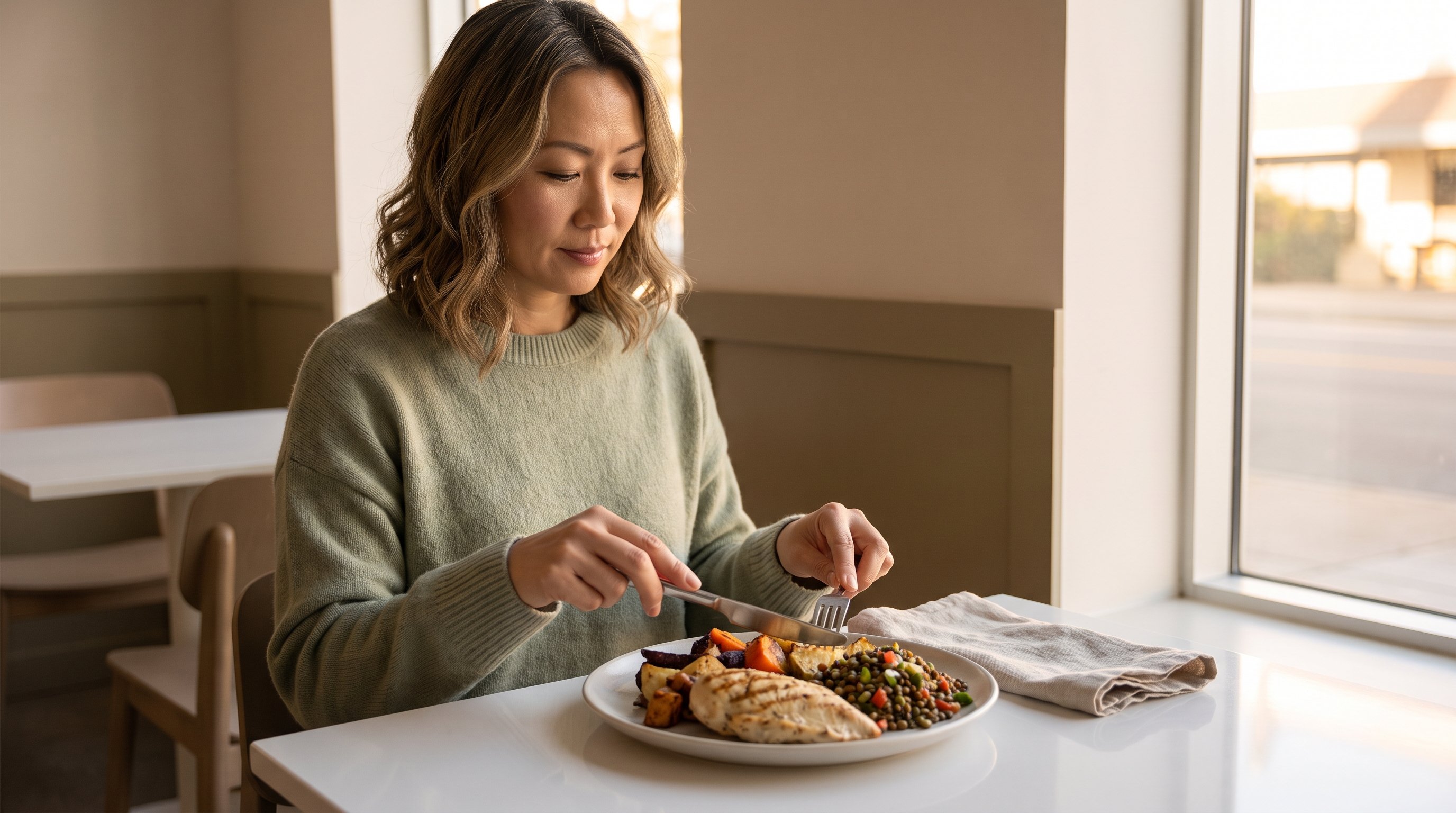
An approach you can repeat every day for months beats a stricter one you abandon after a fortnight, every time.
Fitting Low Carb Eating Into a Packed Week
Most weeks don't leave room for recalculating every meal, which is why the swaps above work better than a rigid food list - they slot into whatever you're already cooking.
A meal plan built around food you already like removes the guesswork of what counts as low carb on a Tuesday night when you're tired and want dinner sorted fast.
Koi Yoga pairs that kind of meal structure with daily habit tracking, so food choices and movement sit in the same place instead of being two separate things to manage.
The Myth That Carbs Alone Make You Store Fat
A common claim is that carbs specifically get stored as fat while other foods don't - that's not how it works, and there's no food or diet that targets fat in one area of the body.
Weight is stored and released based on overall calorie balance, not on which macronutrient you ate at lunch, and the body decides where it loses from, not the plate.
The real answer is less exciting but more useful: eating fewer refined carbs tends to make the deficit easier to hold, and that's the only lever actually doing the work.
What Actually Changes the Result on Low Carb
The Factors That Matter Most
- Protein at every meal - keeps you fuller for longer, so the lower-carb meals don't leave you hunting for snacks an hour later.
- Consistency over weeks, not days - a few strict days followed by a binge undoes more than steady, moderate swaps ever will.
- Sleep and stress levels - poor sleep tends to push cravings toward the exact refined carbs you're trying to cut back on.
Mistakes People Make With Low Carb Diet Foods
Cutting Carbs but Skipping Vegetables Too
Vegetables are low carb and high fibre, so dropping them along with bread and pasta removes the fullness benefit you actually wanted.
Replacing Carbs With Ultra-Processed Low Carb Snacks
Low carb biscuits and bars can still be calorie-dense; check what you're reaching for instead of assuming the label does the work.
Going Too Strict Too Fast
Cutting out every starchy food in one go usually backfires - gradual swaps hold up longer than an abrupt overhaul.
Forgetting Portion Size Still Matters
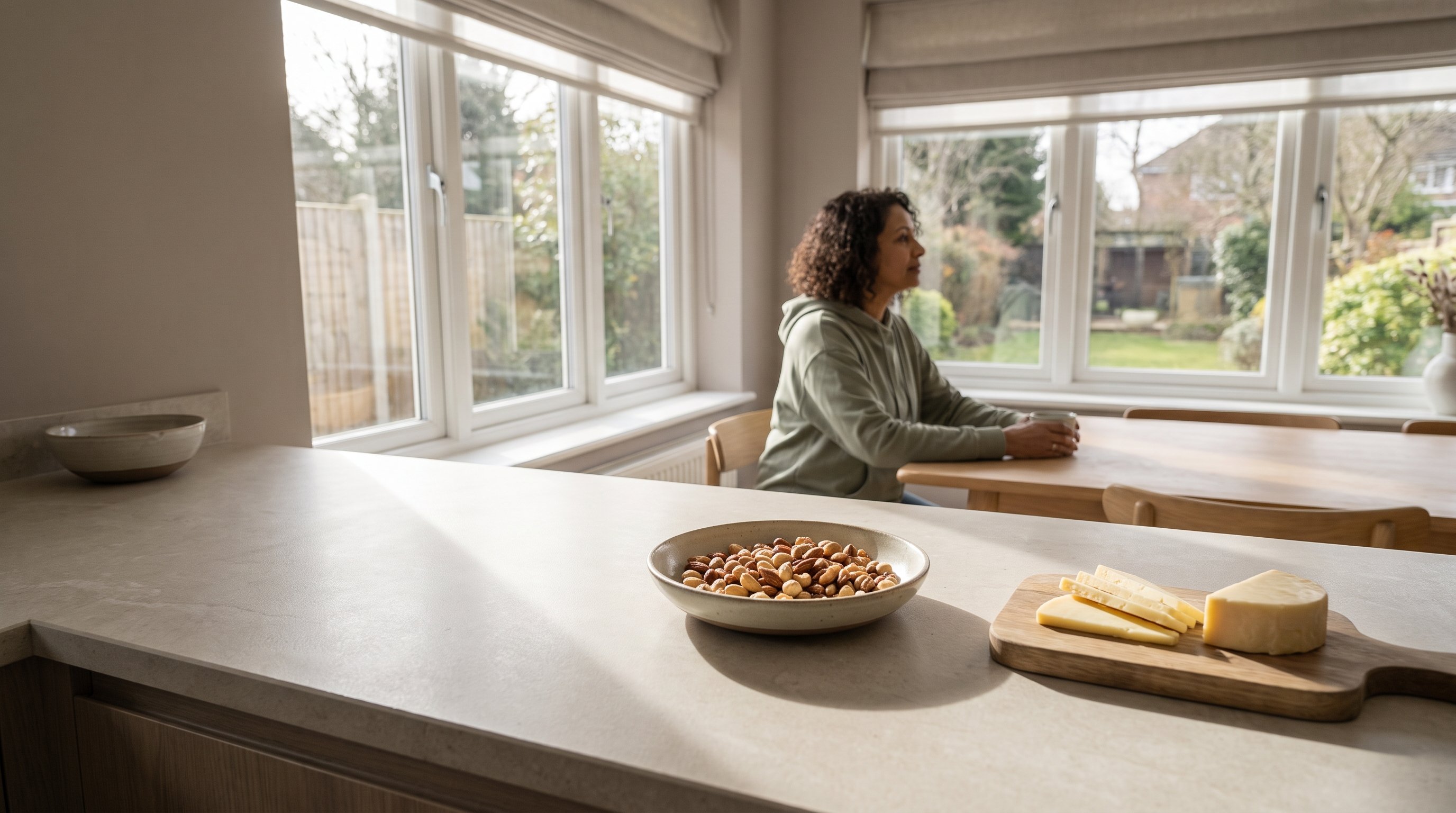
A large bowl of nuts or cheese is still a lot of calories even though it's low carb, so portions still count.
Making Low Carb Diet Foods Easier With Koi Yoga
Knowing which foods to swap is one thing; actually doing it on a Wednesday night after a long day is another, and that's where most low carb plans quietly fall apart.
Koi Yoga builds a tailored meal plan around food you already enjoy, so the low carb swaps happen inside a structure instead of as a list you're trying to remember.
Paired with gentle daily Qigong sessions and habit tracking for water, steps and weight, it keeps the whole picture - food and movement - in one simple routine.
Lose Weight With Qigong
Burn Fat The Gentle Way
Putting Low Carb Swaps Into Tonight's Dinner
Pick one meal tonight and make one swap from the table above - that's a more realistic start than trying to overhaul every meal by Monday.
Koi Yoga can help you build that swap into a wider plan, so it's not a one-off change but part of something you keep doing.
FAQ
They can make a calorie deficit easier to stick to because protein and fibre keep you fuller, but the deficit itself is what drives the change, not the carb cut on its own.
Cutting carbs entirely is harder to sustain and tends to collapse under cravings; gradual swaps that keep meals familiar tend to hold up longer across real weeks.
A ready-made structure helps here - Koi Yoga's meal plan is built around food you already like, so you're not designing low carb meals from scratch every night.
It usually fades when the plan feels like a restriction rather than a swap, so meals that still feel familiar and satisfying tend to last longer than strict ones.
Share this post