Easy Mediterranean Recipes: Practical Meals That Work
By:Author:Koi Yoga Editorial
Updated on:October 28, 2026
- Building Your First Mediterranean Shopping List
- How Many Meals a Week Actually Need to Change
- Cooking This Way Around a Full Working Week
- A Four-Week Starter Plan for Easy Mediterranean Meals
- When These Meals Start to Feel Like Second Nature
- Where Easy Mediterranean Cooking Quietly Falls Apart
- Pairing Koi Yoga With Easy Mediterranean Cooking
- Putting Tonight's Dinner Together
Easy Mediterranean recipes work because they lean on simple ingredients - vegetables, olive oil, beans, fish, whole grains - that you can cook without a recipe card after a week or two.
The mechanism is substitution, not restriction: you swap heavier, processed staples for foods that fill you up on fewer calories, which makes a calorie deficit easier to hold without feeling like you're constantly saying no.
This guide covers how to start, how often to cook this way, a simple four-week plan, where people usually trip up, and how to fit it into a week that's already full.
Building Your First Mediterranean Shopping List
You don't need a pantry overhaul to start cooking this way. A short list of staples covers most meals, and you build from there.
Steps to Set Up Your Kitchen
- Stock a base of olive oil, canned beans, tinned fish and a few whole grains - these form the backbone of most meals.
- Buy vegetables that keep well - peppers, courgettes, tomatoes and leafy greens hold up across several days of cooking.
- Pick two proteins you actually like - this might be chickpeas and eggs, or fish and yoghurt, so meals stay enjoyable.
- Keep herbs and lemon on hand - they do most of the flavour work without needing heavy sauces.
- Cook a double batch of grains once a week - rice, bulgur or lentils reheat well and save time.
- Plan three repeatable meals, not seven different ones - variety matters less than you'd think when the base ingredients are good.
- Write a short shopping list before you shop - it stops impulse buys and keeps the week on track.
How Many Meals a Week Actually Need to Change
A Realistic Starting Frequency
You don't need to overhaul every meal to see the eating pattern shift. Swapping three to five meals a week is usually enough to notice a difference in how full you feel and how much you're cooking from scratch.
| Meal | Easy Swap | How Often |
|---|---|---|
| Breakfast | Yoghurt with oats and fruit | 4-5 times a week |
| Lunch | Grain bowl with vegetables | 3-4 times a week |
| Dinner | Fish or beans with vegetables | 3-5 times a week |
| Snack | Nuts or fruit | Daily |
Cooking This Way Around a Full Working Week
Most weeks don't leave much room for long cooking sessions, which is exactly why this style of eating tends to hold up better than a strict meal plan.
A lot of it comes down to batching: cook grains and roast a tray of vegetables once, then rebuild them into two or three different meals across the week.
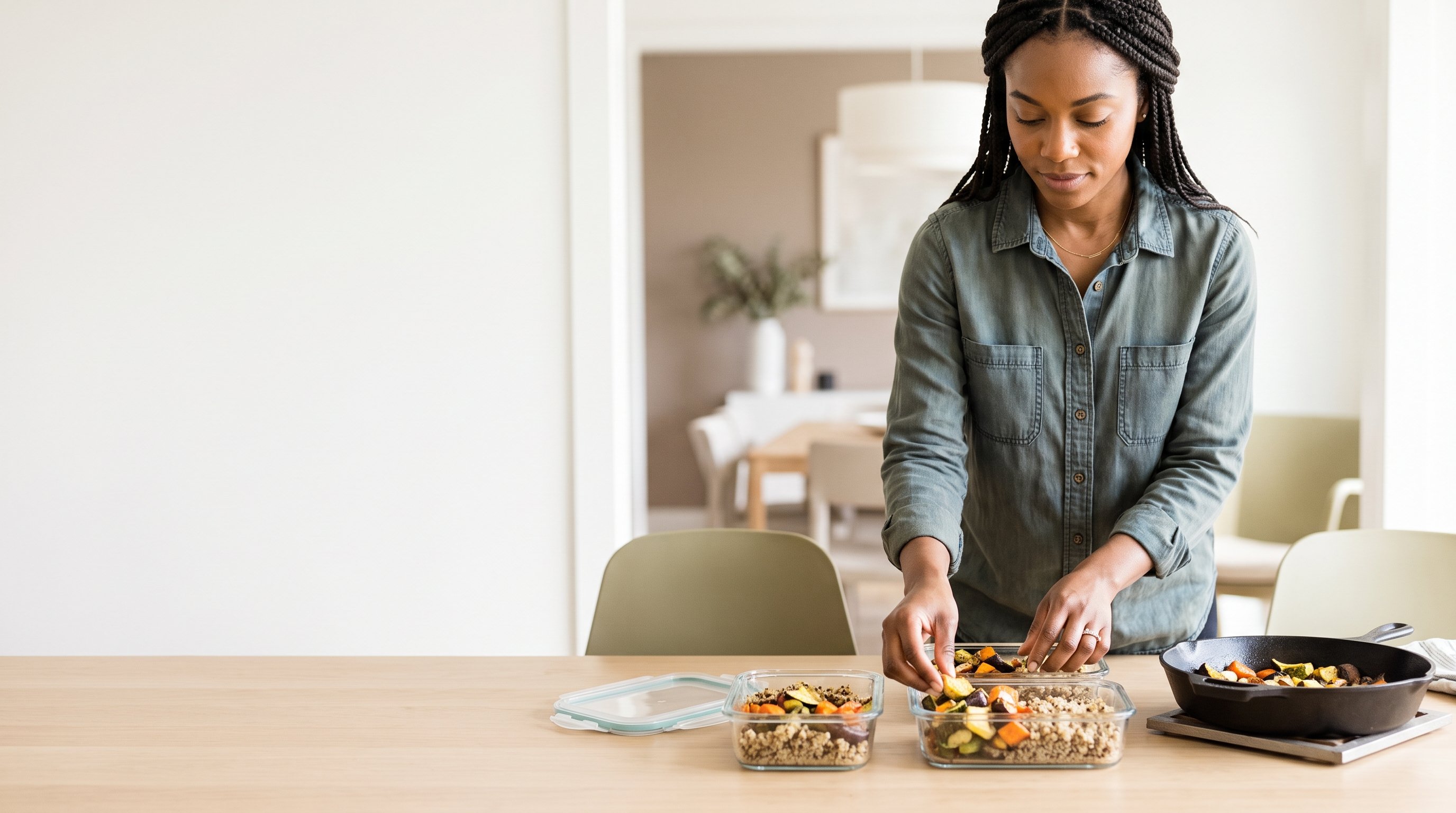
If tracking what you eat alongside your meals feels useful, a meal plan built around food you already like and a simple habit tracker can keep the week organised without adding extra admin - this is one of the things Koi Yoga folds into its daily tools.
The point isn't to follow a script exactly, it's to make the easy choice also the better one.
A Four-Week Starter Plan for Easy Mediterranean Meals
This isn't a strict programme, it's an order of operations. Each week builds on the one before it instead of asking for everything at once.
| Stage | Focus | What to Do |
|---|---|---|
| Week 1 | Swap breakfast and one lunch | Try oats, yoghurt and a grain bowl |
| Week 2 | Add a batch-cooked dinner | Roast vegetables and cook a grain in bulk |
| Week 3 | Build a rotating lunch | Repeat 2-3 lunches you actually enjoyed |
| Week 4 | Lock in a weekly rhythm | Shop once, batch cook twice, repeat meals |
When These Meals Start to Feel Like Second Nature
The first couple of weeks usually involve more thinking than cooking - reading labels, working out what you have, figuring out what you actually like.
That slows down over time as the same handful of meals start repeating without much effort.
It's hard to put a fixed date on when it clicks, since it depends on how often you cook and how varied your usual week already was, but most people notice the shopping list getting shorter and more automatic well before the cooking itself feels effortless.
Where Easy Mediterranean Cooking Quietly Falls Apart
Buying Too Many New Ingredients at Once
A long shopping list for one recipe is a fast way to abandon the whole idea. Stick to a short base list and add one new ingredient at a time.
Treating Olive Oil As Unlimited
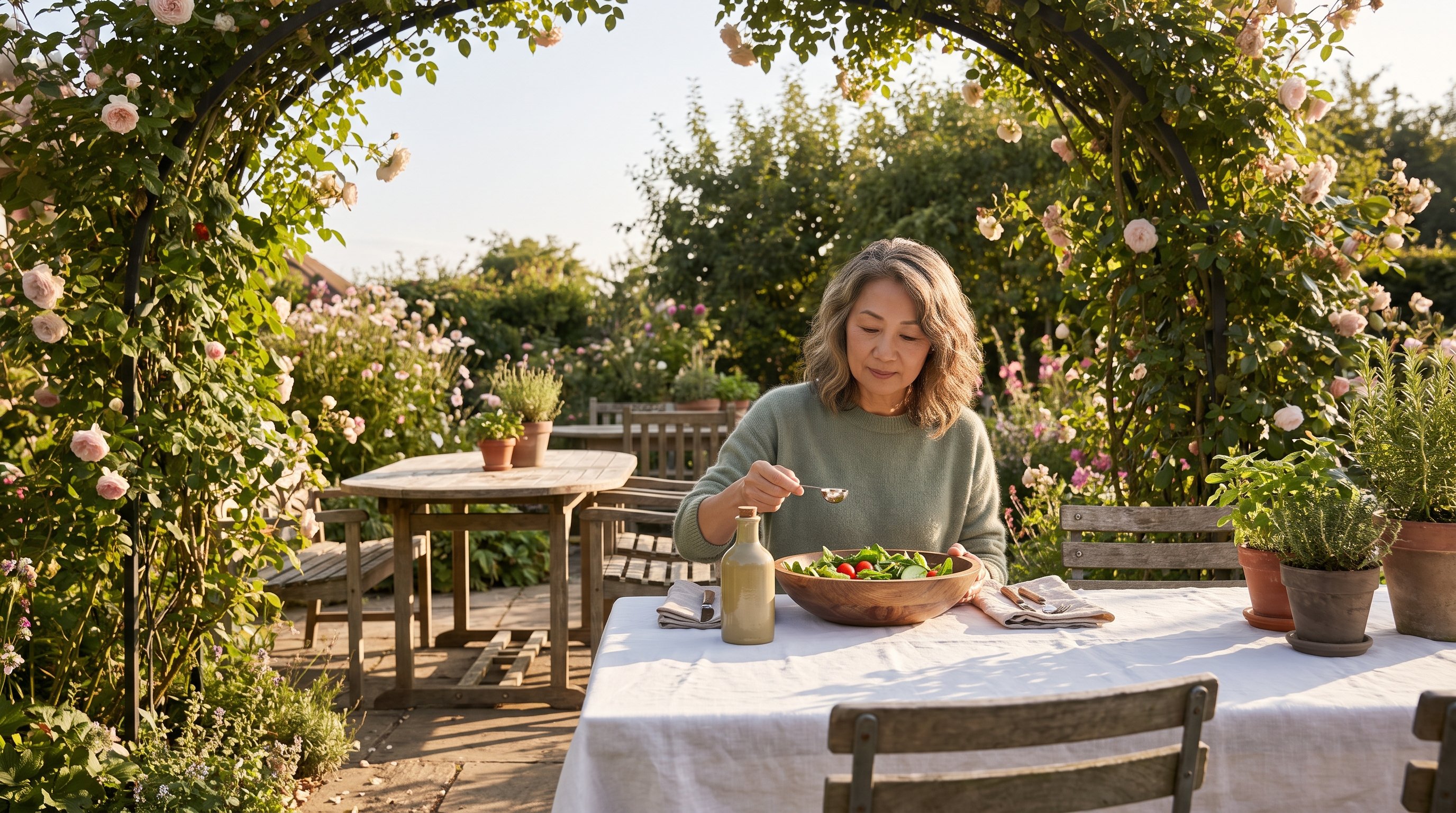
It's a better fat choice than many, but it's still calorie-dense, and pouring it freely can quietly cancel out the deficit. Measure it the first few times until you know what a reasonable amount looks like.
Skipping Protein at Meals
Vegetables and grains alone don't keep most people full for long. Add beans, fish, eggs or yoghurt so meals hold you over properly.
Cooking a Different Meal Every Single Day
Variety sounds appealing but it's exhausting to sustain. Repeating two or three meals across the week is what actually makes this stick.
Expecting One Style of Eating to Target Where Weight Comes Off
No food or diet decides where the body loses from - that's not how it works. Eating this way supports a deficit generally, not a specific area.
Pairing Koi Yoga With Easy Mediterranean Cooking
Cooking simple meals covers one half of the equation, but most people also want a way to stay consistent with movement without it taking over the day.
Koi Yoga pairs a tailored meal plan with short, low-impact Qigong sessions and daily habit trackers, so food and movement sit in the same place instead of being managed separately.
It won't replace actually cooking the meals or showing up for the sessions, but it does make the organising part - what to eat, what to do, how to track it - a lot less scattered.
Lose Weight With Qigong
Burn Fat The Gentle Way
Putting Tonight's Dinner Together
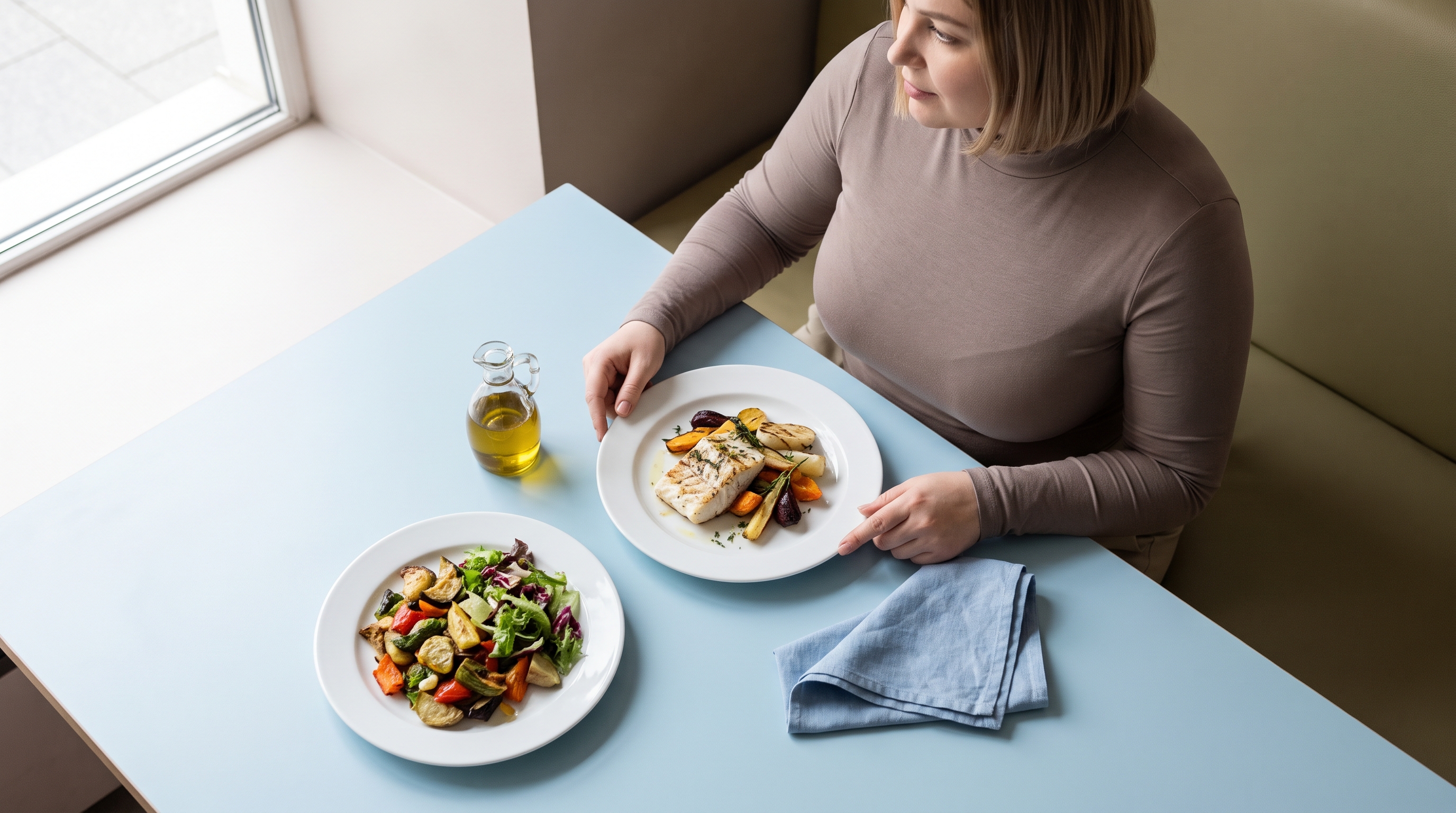
Pick one meal tonight - dinner is usually the easiest - and build it from vegetables, a protein you like, and a drizzle of olive oil instead of a heavier sauce or a processed side.
That one swap is a reasonable place to start, and if it helps to have the rest of the week mapped out alongside it, Koi Yoga's meal plan and tracking tools are built for exactly that kind of simple, repeatable structure.
FAQ
They can support a deficit because they tend to be lower in processed carbs and higher in fibre and protein, which keeps people fuller on fewer calories. No single meal style guarantees a result on its own.
It's built around substitution rather than cutting out food groups, so most people keep eating foods they already enjoy. The structure comes from swapping ingredients, not from a long list of banned foods.
Start with one meal a day and batch cook grains or vegetables once a week to cut down on daily effort. A tailored meal plan, like the one built into Koi Yoga, can also take the planning off your plate.
Buying too many new ingredients at once or trying to cook something different every night tends to burn people out fast. Repeating a short rotation of simple meals is what makes it last.
Share this post