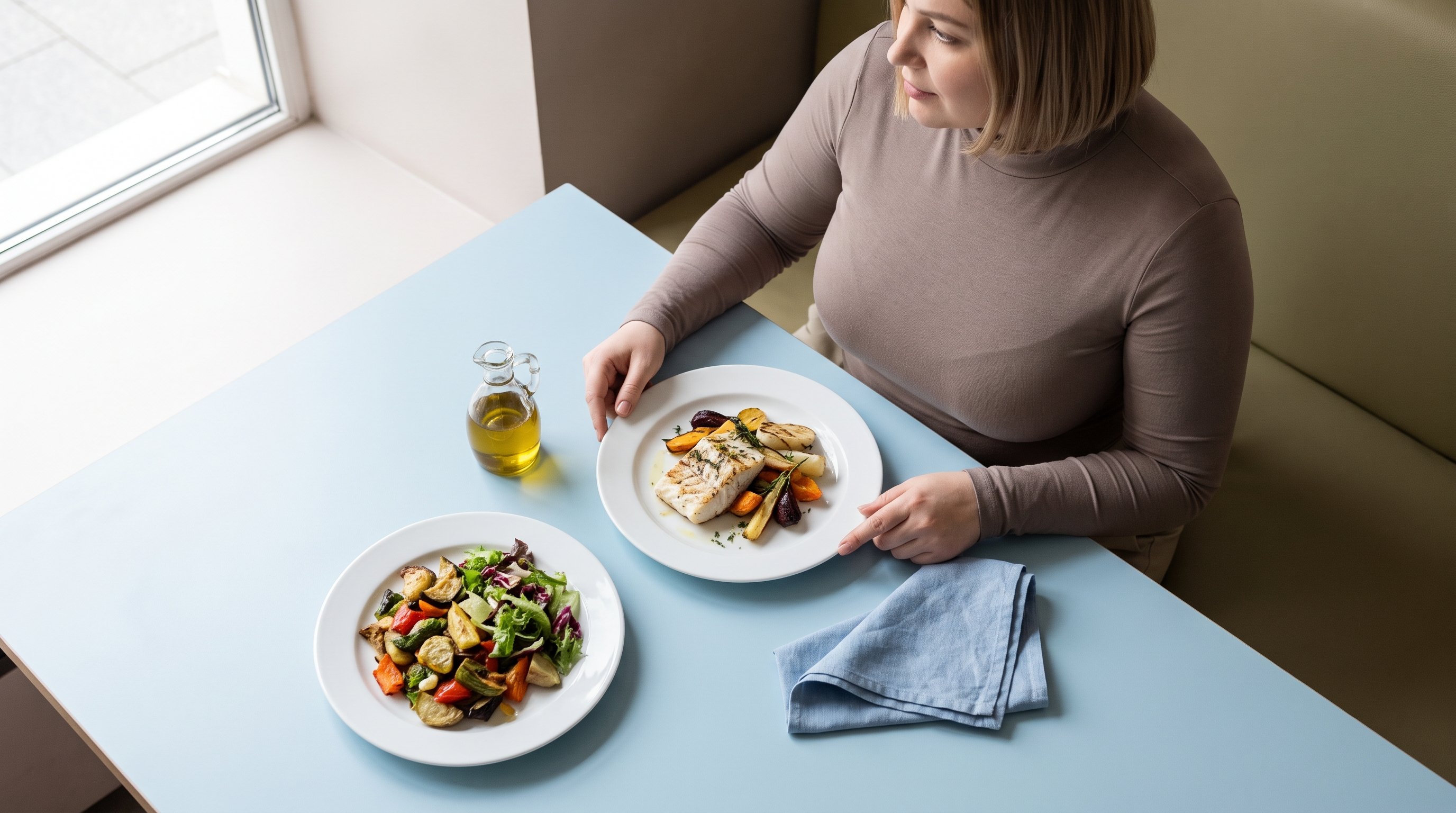
How to Eat Enough Calories? Daily Habits for Steady Energy
By:Author:Koi Yoga Editorial
Updated on:October 28, 2026

- What Happens When Daily Intake Falls Short
- Structured Eating Versus Grazing on Instinct
- Why Spreading Meals Out Beats Catching Up Later
- Matching Eating Habits to Your Actual Day
- Fitting Steady Eating Into a Full Week
- The Myth That One Big Meal Fixes a Short Week
- Building Steady Calorie Habits With Koi Yoga
- Closing the Gap One Meal at a Time
Eating enough calories usually comes down to adding one or two solid food moments to a day that's already thin on them, not overhauling everything you eat.
Undereating happens quietly - skipped breakfasts, small lunches, a body that's busier than the fuel going into it. The fix is mechanical: more food, spread more evenly, without turning every meal into a calculation.
This guide covers how to tell if intake is actually too low, what the numbers look like in practice, how to compare structured eating against winging it, and how small daily habits make the difference stick.
What Happens When Daily Intake Falls Short
The body runs on energy in versus energy out, same as any system that needs fuel to function. When intake sits below what the day demands, energy dips, focus drifts, and workouts feel heavier than they should.
The arithmetic is plain. If someone needs roughly 2,000 calories to move through a normal day and only eats 1,400, that's a 600-calorie shortfall - repeated daily, that adds up to a real deficit the body has to work around.
Why Small Gaps Compound
A 300-calorie shortfall doesn't feel dramatic on day one. Stretched across a week, it's 2,100 calories missing - roughly a full day's worth of food simply never eaten.
That's not a scare story, it's just addition. The honest fix is closing the gap with food that's easy to prepare and easy to repeat, not with one enormous meal that tries to make up for a week of shortfall overnight.
Structured Eating Versus Grazing on Instinct
Most people trying to eat enough face a choice: build meals around a rough structure, or trust hunger cues alone and hope the totals work out.
Both can work, but they come with different risks. Grazing on instinct is easier to start but easier to under-eat on, especially on busy days when hunger signals get drowned out by everything else going on.

| Approach | Effort | Consistency | Undereating Risk |
|---|---|---|---|
| Structured meals | Some planning | High | Low undereating risk |
| Eating on instinct | Low planning | Variable | Higher undereating risk |
| Three meals plus snacks | Moderate planning | High | Low undereating risk |
| Skipping meals when busy | No planning | Low | High undereating risk |
| Tracked meal plan | Upfront planning | Very high | Very low undereating risk |
The table isn't saying structure is morally superior. It's saying structure removes the guesswork on the days when guesswork is most likely to go wrong.
Why Spreading Meals Out Beats Catching Up Later
Trying to catch up on calories with one huge dinner is the harder route. It asks the body to process a lot of food in a short window and relies on an appetite that may not show up on cue.
Spreading food across the day - breakfast, lunch, dinner, one or two snacks - is the easier route because it doesn't depend on being ravenous by 7pm to make the numbers work.
Consistency wins here, not intensity. Four smaller eating moments a day are simpler to hit than one giant meal that has to carry the whole shortfall alone.

This is the same logic behind any habit that sticks: lower the effort required at the moment of decision, and the behaviour happens more often.
Matching Eating Habits to Your Actual Day
If Mornings Are Rushed
A quick, portable breakfast - something that takes under five minutes to eat - closes the gap better than skipping it and hoping lunch covers both meals.
If Work Days Are Packed
Pre-made lunches and a couple of easy snacks in a bag remove the decision entirely, so eating enough doesn't depend on finding time mid-afternoon.
If Appetite Is Naturally Low
Smaller, more frequent meals tend to be easier to get through than three large ones, and they add up to the same daily total.
If Evenings Are the Only Free Time
Batch-preparing two or three meals on a quieter day means the busy evenings don't become the days intake quietly drops.
Fitting Steady Eating Into a Full Week
None of this needs a strict diet or a kitchen overhaul. It needs a plan that's realistic enough to repeat on a Tuesday when nothing is going to plan.
A tailored meal plan built around food you already like takes the guesswork out of hitting a daily target, and a habit tracker that keeps water, steps and weight in one place makes it obvious when a day is falling short before the week slips away.
Koi Yoga pairs that kind of structure with short daily sessions, so the eating side and the movement side support each other instead of working against one another.
The Myth That One Big Meal Fixes a Short Week
There's a common hope that a weekend feast can undo five days of undereating. It doesn't work that way - the body can't bank a week's worth of missed energy into one sitting and come out even.
Spot-fixing a shortfall is as unrealistic as spot-reducing fat from one area. Energy balance plays out over days and weeks, not in a single dramatic meal.
The honest answer is less exciting but more useful: steady, repeated meals across the week close the gap far more reliably than any one standout dinner ever could.
Building Steady Calorie Habits With Koi Yoga
Eating enough is mostly a logistics problem, not a willpower problem - the days it falls apart are the days nobody planned ahead.
Koi Yoga's meal plan is built around food you already enjoy, so hitting a realistic daily target doesn't mean choking down meals you don't want. The daily trackers show water, steps and weight together, which makes a light day visible before it turns into three light days in a row.

Lose Weight With Qigong
Burn Fat The Gentle Way
Closing the Gap One Meal at a Time
Eating enough calories isn't about eating more of everything, it's about noticing where the day usually runs short and putting something there on purpose.
Start with one meal this week - probably the one most often skipped - and build it back in. Koi Yoga can help keep that habit visible so it doesn't quietly slide again.
FAQ
Low energy, difficulty concentrating, and feeling unusually tired during normal activity are common signs the daily intake is falling short. Tracking meals for a few days against a rough daily target usually makes the gap obvious.
Eating enough to match what the day actually demands isn't the same as overeating, it's closing a shortfall. The goal is matching intake to need, not pushing past it.
Keeping two or three easy, repeatable options on hand removes the need to plan from scratch every day. A tailored meal plan built around food you already like, like the one inside Koi Yoga, takes that decision off your plate.
Yes, motivation to track or plan tends to dip once the novelty wears off. That's exactly why simple, repeatable habits matter more than any single perfect week of meals.
Share this post