Entle Exercises for Weight Loss: Fitting Daily Movement In
By:Author:Koi Yoga Editorial
Updated on:October 28, 2026
- Getting Gentle Movement Into Your Day Step by Step
- How Much Gentle Exercise Actually Counts
- Making Gentle Exercise Work Around a Full Schedule
- A Starter Plan for Your First Month of Gentle Movement
- When Gentle Exercise Starts to Feel Easier
- Mistakes That Stall Gentle Movement Habits
- Building Gentle Exercise Habits With Koi Yoga
- Turning Gentle Movement Into a Daily Habit
Gentle exercise helps with weight loss because it's something you'll actually keep doing, and consistency moves the needle far more than intensity ever does.
The mechanism is simple: your body burns energy across the whole day, not just during a hard session, so short daily movement adds up through steps, posture changes, and a slightly higher baseline of activity.
This guide covers how often to move, what a realistic starting plan looks like, where people usually quit, and how to fit gentle movement into a week that's already full.
Getting Gentle Movement Into Your Day Step by Step
You don't need a complicated plan to start moving more gently and consistently. A clear sequence makes it easier to actually follow through.

Steps to Build a Gentle Movement Routine
- Pick one fixed slot - attach movement to something you already do, like right after breakfast or before dinner.
- Start smaller than feels impressive - five to ten minutes is enough to begin, since the goal is showing up, not sweating.
- Choose low-impact movement - walking, stretching, or slow guided sessions keep joints comfortable and sustainable.
- Track one simple metric - steps, minutes, or sessions completed, so you can see the pattern building.
- Add a little time weekly - extend by a few minutes rather than jumping to a long workout all at once.
- Pair movement with breathing - slower, controlled breathing helps you stay relaxed and makes sessions easier to repeat.
- Review after two weeks - adjust the time of day or length based on what actually happened, not what you planned.
How Much Gentle Exercise Actually Counts
There's no single magic number, but a rough starting range makes the goal less abstract.
A Simple Weekly Target
Aiming for short sessions most days of the week, rather than one long workout, tends to be easier to sustain and still adds up across the week.
| Stage | Frequency | Session Length |
|---|---|---|
| Just starting | 3 to 4 days | 10 minutes |
| Building habit | 5 days | 15 minutes |
| Comfortable | 6 days | 20 minutes |
| Established routine | Daily | 20 to 30 minutes |
Move down this table as it feels natural, not as a race, since the point is staying consistent rather than hitting a target fast.
Making Gentle Exercise Work Around a Full Schedule
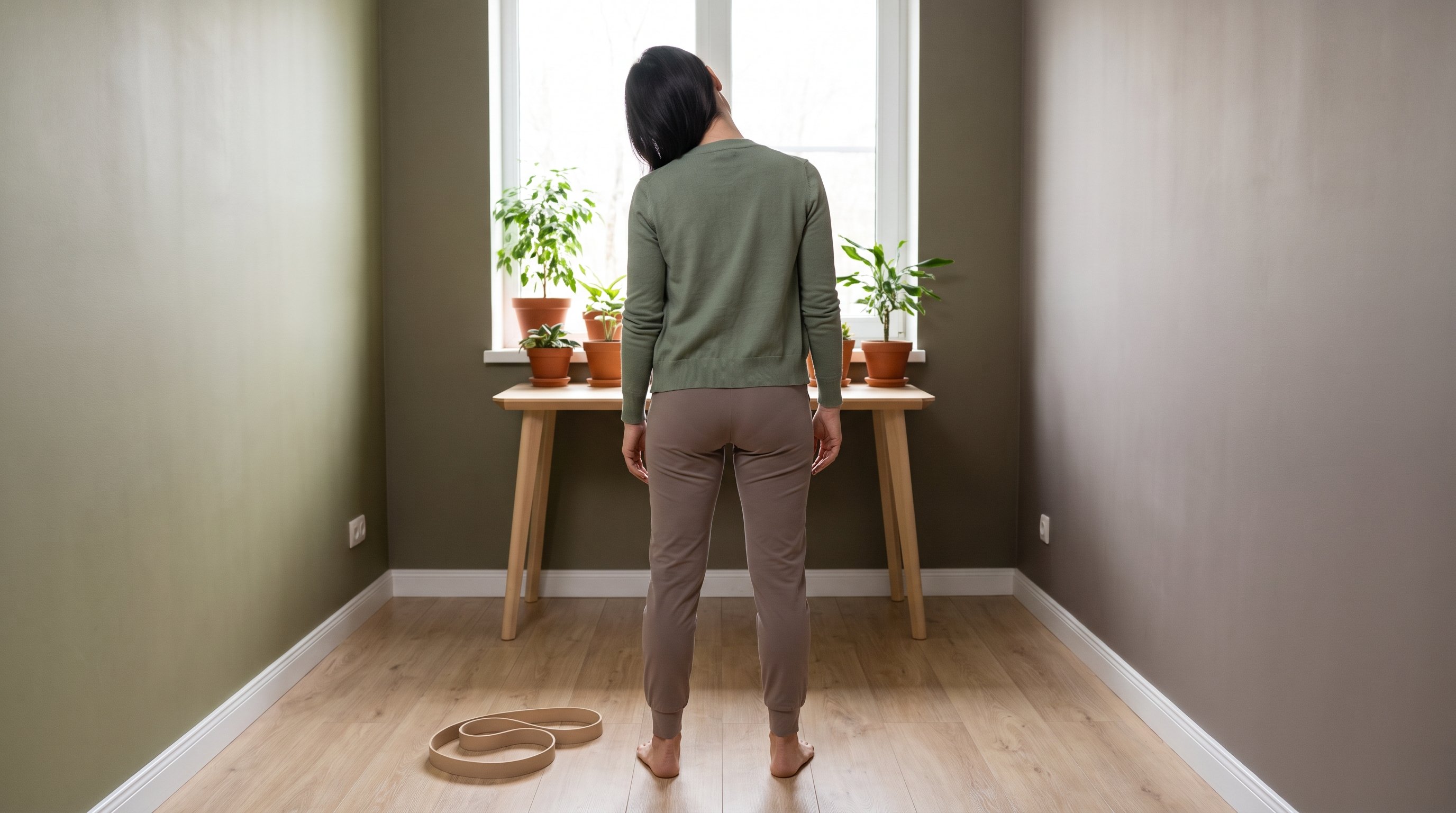
Most people don't quit gentle exercise because it's too hard, they quit because it never gets a proper slot in the day.
Treating movement as a fixed appointment, the same way you'd treat a meeting, removes the daily decision of whether you'll do it or not.
This is where a structured plan helps, because it removes the guesswork of what to do and when.
Koi Yoga offers short, guided Qigong sessions built around your schedule, so you're following a plan instead of improvising one each morning.
A Starter Plan for Your First Month of Gentle Movement
Here's one way to structure the first four weeks, building gradually rather than starting too fast and burning out.
| Stage | Focus | What It Looks Like |
|---|---|---|
| Week 1 | Short daily walks | 10 minutes, same time daily |
| Week 2 | Add gentle stretching | 10 minutes walk plus 5 minutes stretch |
| Week 3 | Introduce slow guided movement | 15 to 20 minutes, 5 days a week |
| Week 4 | Extend and steady the routine | 20 minutes, most days of the week |
When Gentle Exercise Starts to Feel Easier
The honest answer is it varies by person, so it's worth being patient rather than expecting a fixed moment of change.
Many people notice the routine feels less like a decision and more like a habit once it's been repeated consistently for a while.
This is usually also when motivation stops carrying the routine, and the habit itself starts carrying you instead.
Mistakes That Stall Gentle Movement Habits
Starting With Too Much Too Soon
Jumping straight into 45-minute sessions makes the habit feel like a chore. Start smaller and build time gradually instead.
Skipping Days Without a Backup Plan
One missed day easily turns into a week if there's no plan to restart. Pick a simple rule, like resuming the next day no matter what.
Chasing a Specific Body Area
Gentle exercise doesn't target one area of the body, no matter how it's marketed. Focus on consistent movement and overall energy instead of a specific spot.
Measuring Progress Only by the Scale
Weight can be slow to shift and doesn't reflect energy, sleep, or how your clothes fit. Track sessions completed or minutes moved as a steadier signal.
Treating It As Separate From Eating Habits
Movement alone won't hold a deficit if meals aren't considered too. Pair gentle exercise with simple, realistic meal choices for a steadier result.
Building Gentle Exercise Habits With Koi Yoga
Gentle exercise works best when it's structured, visible, and easy to repeat without having to plan it from scratch each day.
Koi Yoga brings this together with a tailored Qigong plan, a meal plan built around food you already like, and daily trackers that keep steps, water, and weight in one place, so the whole routine stays in one spot instead of scattered across apps and notebooks.
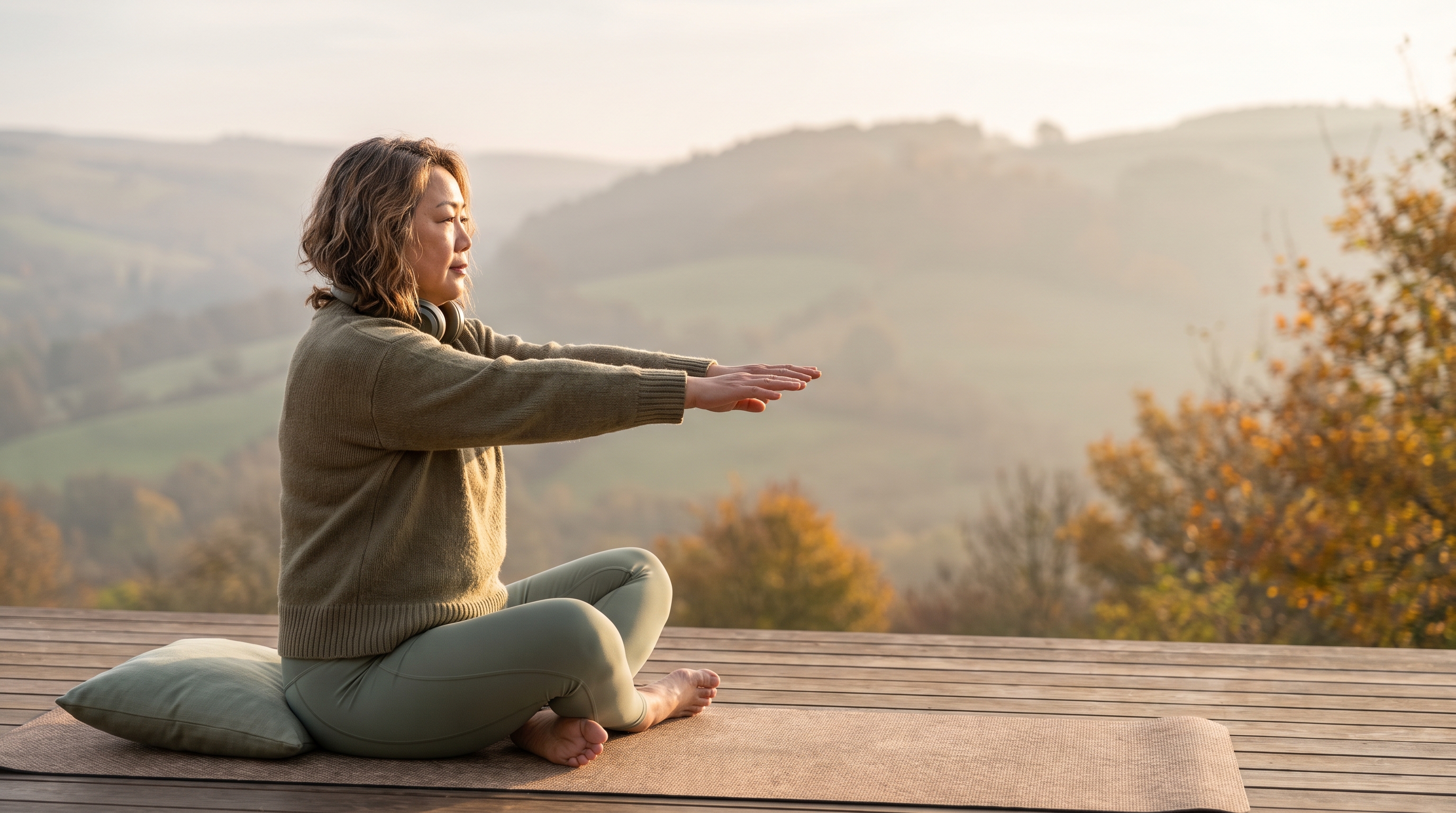
Lose Weight With Qigong
Burn Fat The Gentle Way
Turning Gentle Movement Into a Daily Habit
The simplest next step is picking a ten-minute slot today and treating it as fixed, not optional.
Koi Yoga can help structure that slot with guided sessions and tracking, but the habit itself starts the moment you choose to show up for it.
FAQ
Gentle exercise supports weight loss by adding to your daily energy use and making consistency easier to hold over time. It won't work alone, but combined with sensible eating it's a steady part of the equation.
Intensity isn't the only factor that matters, frequency and consistency count just as much. Short daily sessions, repeated often, tend to add up more reliably than occasional hard workouts.
Ten minutes is a realistic starting point, and it can be attached to something already in your routine, like after waking up. Koi Yoga's short guided sessions are built to fit into gaps like this without needing a gym.
Starting too intensely or skipping days without a plan to restart are the most common reasons people stop. Keeping sessions short and having a simple rule for getting back on track makes the habit easier to protect.
Share this post